

Understanding Baby Blues and Postpartum Depression
The baby blues are very common after birth and usually cause mild mood swings, crying, irritability, or feeling overwhelmed during the first one to two weeks postpartum. Postpartum depression (PPD) is more intense, lasts longer than two weeks, and can interfere with bonding, sleep, daily functioning, or caring for yourself and your baby. PPD can develop anytime during the first year after childbirth and affects both mothers and partners. Early support from a healthcare provider, therapy, support groups, and treatment can make a major difference in recovery.
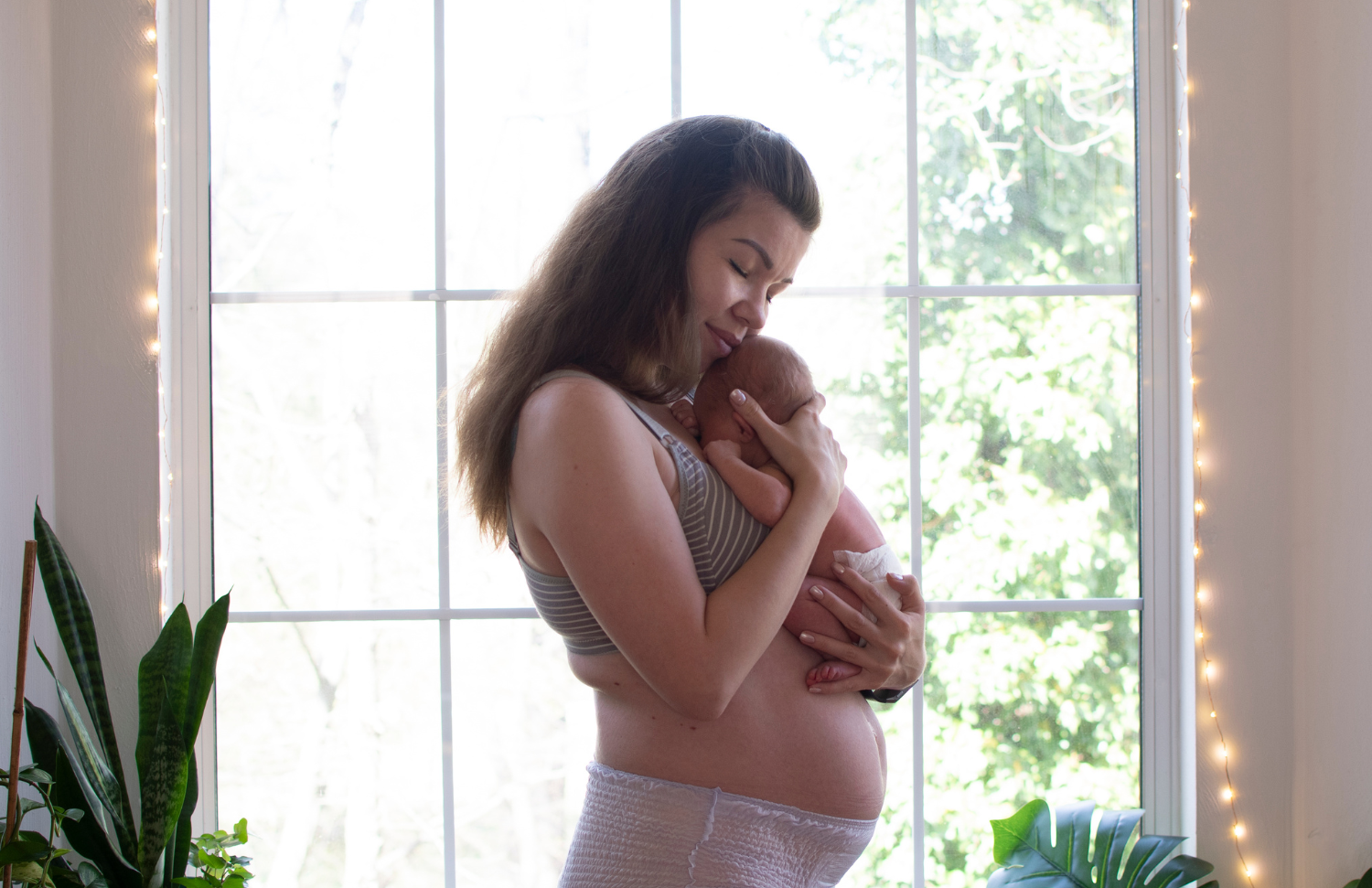
Crying easily, feeling anxious, overwhelmed, or disconnected after birth?
Learn the difference between baby blues and postpartum depression in simple, supportive language backed by science.
You finally get home with your baby. Everyone keeps asking, “Aren’t you so happy?”
And maybe you are. But maybe you’re also crying because someone asked what you wanted for dinner. Maybe your chest feels tight for no clear reason. Maybe you stare at your baby and think, “Why do I feel so strange right now?”
A lot of moms keep these thoughts to themselves because they’re scared of what it means.
Here’s what I wish more parents heard earlier: your brain and body just went through one of the biggest biological changes a human can experience. That emotional storm after birth is incredibly common. For many parents it passes within days. For others it settles deeper and stays longer. Neither makes you weak, dramatic, or a bad mom.
What Are the Baby Blues?
Baby blues affect up to 80% of new mothers, according to the March of Dimes. They typically begin 2 to 3 days after birth and clear up on their own within about two weeks.
It can feel like:
- Crying over small things
- Mood swings that come out of nowhere
- Feeling extra sensitive or irritable
- Anxiety that tends to spike at night
- Just feeling emotionally “off”
One mom put it perfectly: “I loved my baby deeply. I just didn’t feel like myself anymore.”
During pregnancy, estrogen and progesterone climb to very high levels then after birth they drop faster than almost any other hormonal shift the human body goes through. Your brain is trying to recalibrate while you’re also healing physically, running on broken sleep, feeding a newborn every few hours, and adjusting to a completely new version of your life. That’s a lot for one nervous system to handle at once.
Why Sleep Deprivation Makes Everything Feel Worse
You know how everything feels bigger and harder when you haven’t slept? Now add physical recovery, constant responsibility, overstimulation, feeding stress, and the fear of doing something wrong.
Research shows sleep deprivation significantly affects emotional regulation and stress hormones in postpartum parents. The brain becomes more reactive and less able to filter things calmly. This is why so many parents say, “I don’t even recognize myself right now.” That reaction makes complete sense.
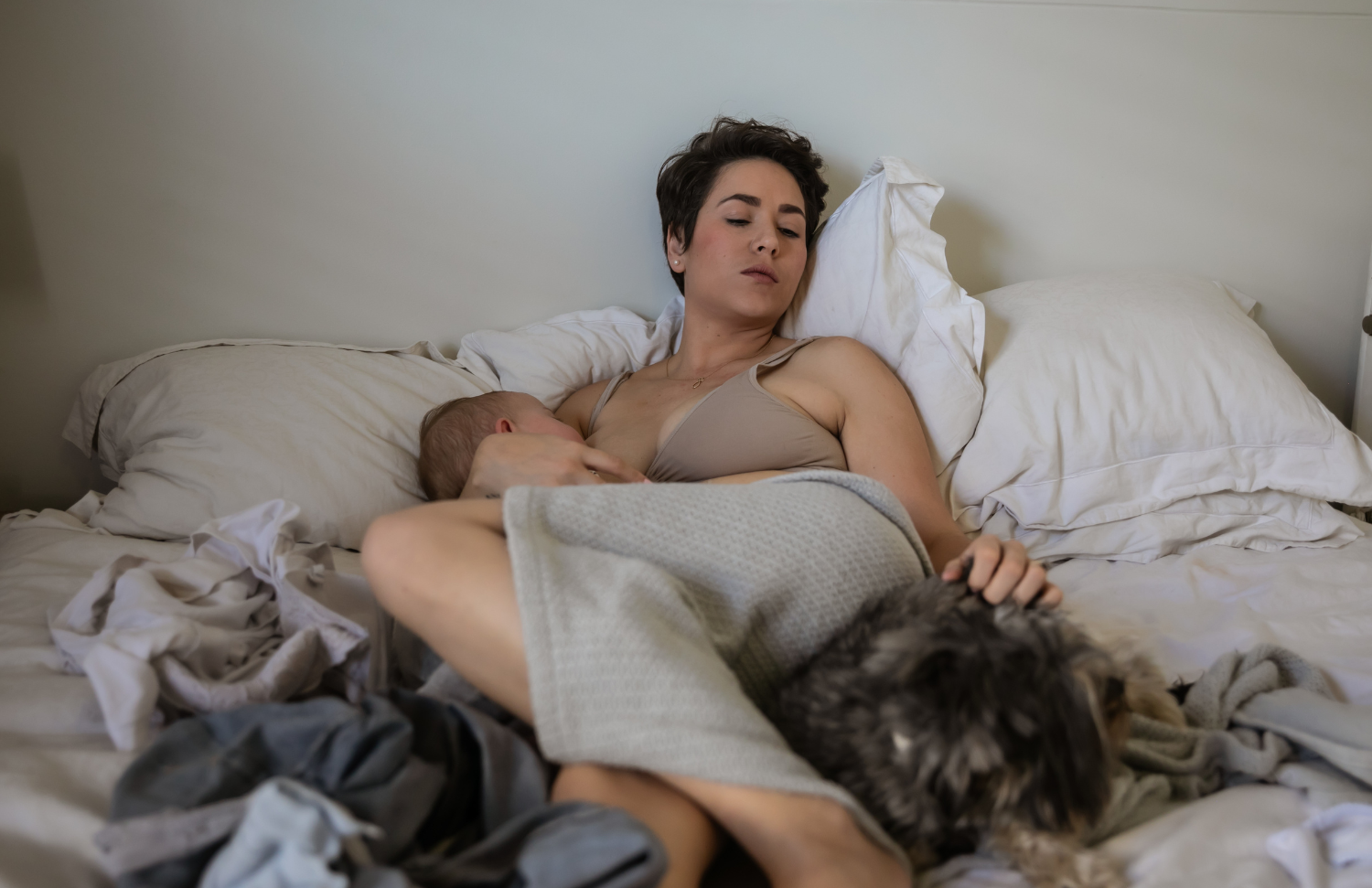
So, What Makes Postpartum Depression Different?
Postpartum depression goes beyond a rough emotional adjustment. It feels heavier, more persistent, harder to shake. Instead of waves of emotion that slowly ease up, it can feel like being stuck underwater and not quite being able to come up for air.
It can look like:
- Feeling numb or emotionally flat
- Constant sadness or a sense of hopelessness
- Intense guilt
- Racing, anxious thoughts
- Feeling detached from your baby
- Losing interest in things that used to matter to you
- Rage or irritability that feels hard to explain
- Trouble eating or sleeping even when the baby is down
And here’s something that doesn’t get said enough: many moms with PPD still smile, still take care of their baby, still show up every single day while struggling quietly. The people around them often say, “You seem fine.”
The Brain Science Behind Postpartum Depression
Understanding biology matters because it takes the shame out of the equation.
After birth, estrogen and progesterone drop sharply, directly affecting the brain’s mood-regulating areas. A neurosteroid called allopregnanolone which helps keep you calm during pregnancy suddenly crashes. Some brains handle that transition without much trouble. Others don’t.
On top of that, the body’s stress system can stay stuck on high alert, especially when sleep deprivation and anxiety pile on. Newer research also connects PPD to inflammatory changes in the body, which is part of why it can feel physical body heaviness, headaches, chest tightness, stomach discomfort, a kind of exhaustion that goes deeper than just being tired.
Your body and brain are not separate things. What happens in one shows up in the other.
The One Nobody Talks About Enough
A lot of moms’ panic when they don’t feel an instant rush of love the moment the baby arrives.
Please hear this: bonding is usually built through repetition, closeness, and time not a single overwhelming moment. Movies have set an unrealistic standard. Real life is often slower, quieter, and messier than that. Love frequently grows between feedings, diaper changes, skin-to-skin time, and surviving hard nights together. That doesn’t make it any less real.
What Actually Helps
The instinct is often to push through alone. That usually just makes the guilt louder.
What genuinely helps: uninterrupted sleep when you can get it, eating consistently, getting outside briefly each day, asking for help before you’re desperate, and talking honestly with someone you trust. Postpartum therapy, support groups, and medical treatment when needed all make a real difference. Newer treatments that specifically target postpartum brain chemistry have shown strong results in clinical studies.
You don’t need to wait until things get really bad before reaching out.
Let People Help You
One of the hardest parts of early parenthood is feeling like you should be able to handle everything on your own. A lot of new parents quietly slip into “I’m fine” mode while running on almost no sleep, barely eating, and trying to care for a newborn around the clock.
This is the season where support matters most.
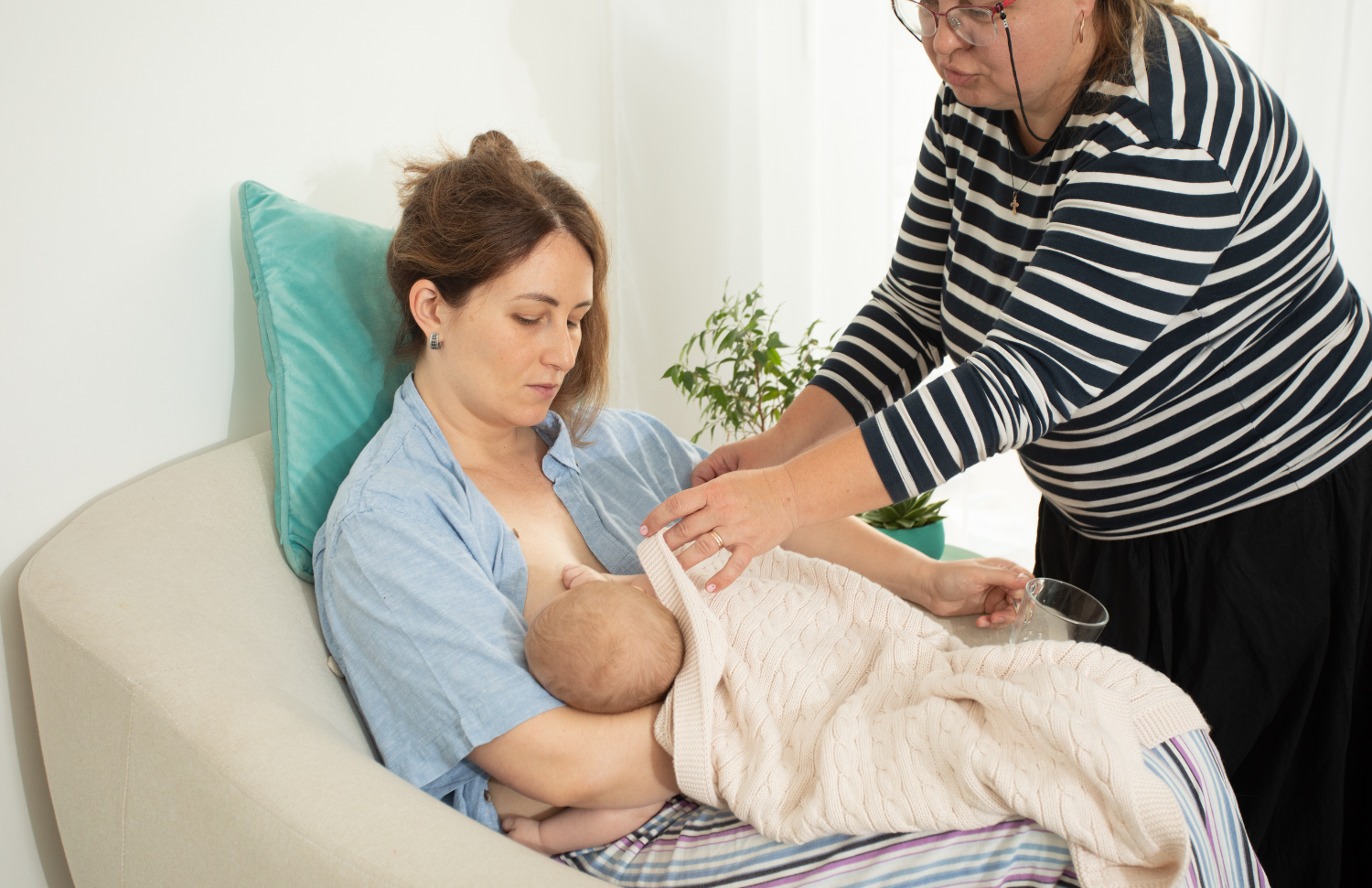
If trusted family members or friends offer to help, try to let them. Sometimes help looks less like grand gestures and more like someone bringing dinner, folding laundry, holding the baby while you shower, or sitting with you so you do not feel alone during a hard day.
And if you need help, it is okay to ask directly.
Most people genuinely want to support new parents. They just do not always know what would actually be helpful. A simple, “Could you hold the baby while I nap for an hour?” or “Would you mind dropping off groceries?” can take a huge amount of pressure off your shoulders.
You were never meant to carry early parenthood completely alone. Rest, support, and connection are part of recovery too.
Signs It’s Time to Call Your Doctor
Reach out if symptoms last longer than two weeks, sadness feels constant or intense, anxiety feels unmanageable, you’re struggling to care for yourself, you feel detached from your baby, you’re having intrusive or frightening thoughts, or daily life just feels impossible to get through.
You deserve support long before you hit a breaking point.
The Wrap Up
The shift into motherhood can feel beautiful, exhausting, lonely, joyful, terrifying, and completely overwhelming sometimes within the same hour. That’s not failure. Your brain, hormones, body, and identity are all adjusting at once after an enormous life event. Some people move through it smoothly. Others need extra help along the way. Both are human.
If you’re sitting there wondering whether anyone else has felt this way, so many mothers have cried in bathrooms, searched for symptoms at 2 a.m., questioned everything about themselves, and gone on to heal with time and support.
You’re not alone in this.
FAQ: Postpartum Depression vs. Baby Blues
❓ How do I know if I have baby blues or postpartum depression? Baby blues improve within 1 to 2 weeks after birth. Postpartum depression lasts longer, feels more intense, and often gets in the way of daily life, bonding, sleep, or basic self-care.
❓ Is it normal to cry a lot after having a baby? Very normal. Frequent crying in the first couple of weeks is extremely common given the hormone shifts, sleep loss, and emotional adjustment happening all at once.
❓ Can postpartum depression start months after birth? Yes. It can develop anytime during the first year, not just right after delivery.
❓ Can dads or partners get postpartum depression too? Yes. Partners can experience postpartum depression and anxiety too, particularly during periods of high stress, sleep deprivation, and major life adjustment.
❓ Is postpartum rage real? It is, and it’s more common than people realize. Intense irritability, anger, or emotional outbursts can all be part of postpartum depression or anxiety.
❓ Will postpartum depression go away on its own? Mild symptoms sometimes improve with time and support, but PPD usually needs actual treatment to fully resolve. Getting help early tends to lead to faster recovery.
❓ Can you love your baby and still have postpartum depression? Absolutely. PPD affects mood and nervous system regulation, not your capacity to love your child. The two things can and do exist at the same time.
❓ What treatments help postpartum depression? Therapy, support groups, medication, improved sleep, and newer medications specifically developed for postpartum depression have all shown real results.