

Recognizing the Symptoms That Mean It Is Time for Extra Support
Baby blues typically begin 2 to 3 days after birth and resolve within two weeks. Postpartum depression may be developing if feelings of sadness, anxiety, or overwhelm last longer than two weeks, feel more intense than expected, or start interfering with daily life, bonding with your baby, sleep, or self-care. Five signs to watch for include persistent sadness that does not lift, feeling detached or disconnected from your baby, difficulty functioning day to day, intense anxiety or intrusive thoughts, and feeling like you are not able to cope even with support around you. If any of these feel familiar, reaching out to your healthcare provider is the right next step.
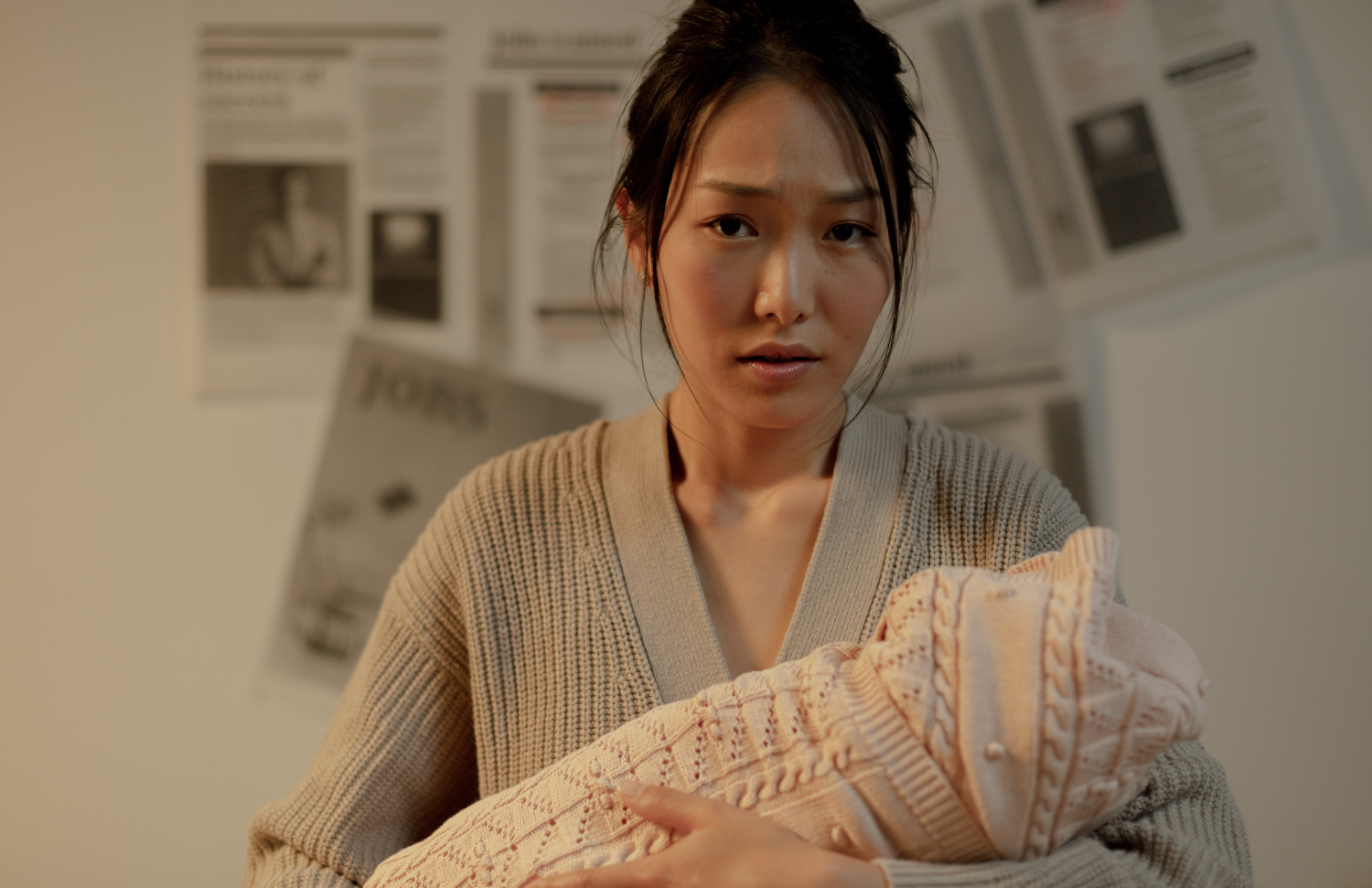
Wondering if what you’re feeling is still baby blues?
Learn 5 signs that postpartum emotions may need extra support and when to reach out for help.
You expected diapers, sleepless nights, and reheating the same cup of coffee five times.
You probably didn’t expect to cry because someone asked you a simple question. Or feel overwhelmed by the sound of your baby crying and then feel guilty for being overwhelmed in the first place.
Emotional ups and downs after birth are extremely common. Your body, hormones, sleep, and entire routine shift almost overnight, and most new moms feel the weight of that during the first couple of weeks.
Usually, those feelings start easing as your body recovers and your hormones settle.
But sometimes the heaviness sticks around longer than expected, feels more intense, or starts getting in the way of everyday life. That’s when parents start wondering:
“Is this still normal… or is this something more?”
If that question has been sitting with you, you’re not alone. Here are five signs it may be time to reach out for support.
-
The Feelings Aren’t Starting to Ease After Two Weeks
Baby blues usually peak around days 4 to 5 after birth and gradually lift within about two weeks.
With postpartum depression, the sadness, anxiety, irritability, or exhaustion tends to stay steady or get heavier. A lot of moms describe it like carrying an invisible backpack that never comes off.
You may notice:
- crying more often than before
- waking up already feeling drained
- feeling emotionally stuck, day after day
That doesn’t mean you’re doing anything wrong. It may simply mean your nervous system needs more support to recover.
-
Small Tasks Suddenly Feel Impossible
Newborn life is exhausting for everyone. But postpartum depression can make even basic things feel strangely hard to get through, like answering a text, taking a shower, making a bottle, or deciding what to eat.
One mom described it well: “Everything felt like too many tabs open in my brain.”
That kind of mental overload is very common with postpartum mood disorders, and it’s worth paying attention to.
-
You Feel Disconnected from Yourself or Your Baby
This is the one nobody talks about enough and the one that scares parents the most.
Some moms expect instant, movie-style bonding the moment the baby arrives. Real life is usually a lot more gradual than that. When postpartum depression is part of the picture, parents sometimes describe feeling emotionally numb, going through the motions, or struggling to feel much joy at all.
Here’s what’s worth knowing: connection builds over time. It often grows in the quiet, repetitive moments feeding, rocking, skin-to-skin, responding to cries, learning each other slowly. Love doesn’t always arrive as a rush of feeling. Sometimes it shows up as just showing up.
-
Anxiety Feels Constant Instead of Occasional
New parents worry. That’s normal.
But postpartum anxiety can feel like your brain simply refuses to power down, constant “what if” thoughts, racing mind at night, checking on the baby over and over, feeling tense even when nothing is wrong. Sometimes it shows up physically too, as chest tightness or nausea.
After birth, especially when hormones and sleep deprivation collide, the brain can get stuck in over-alert mode. That’s not a character flaw. It’s a nervous system under pressure, and support can help bring it back down.
-
You’re Starting to Feel Alone Inside Your Thoughts
This is often the clearest sign that extra support would help.
Many moms quietly think, “Other people seem to handle this better than me” while countless other mothers are privately having the exact same thought.
Postpartum depression tends to get louder in isolation. Talking to your OB, pediatrician, therapist, or a support group can make a real difference, often earlier than people expect.
You deserve a space where you can say “I’m not okay right now” without having to justify it.
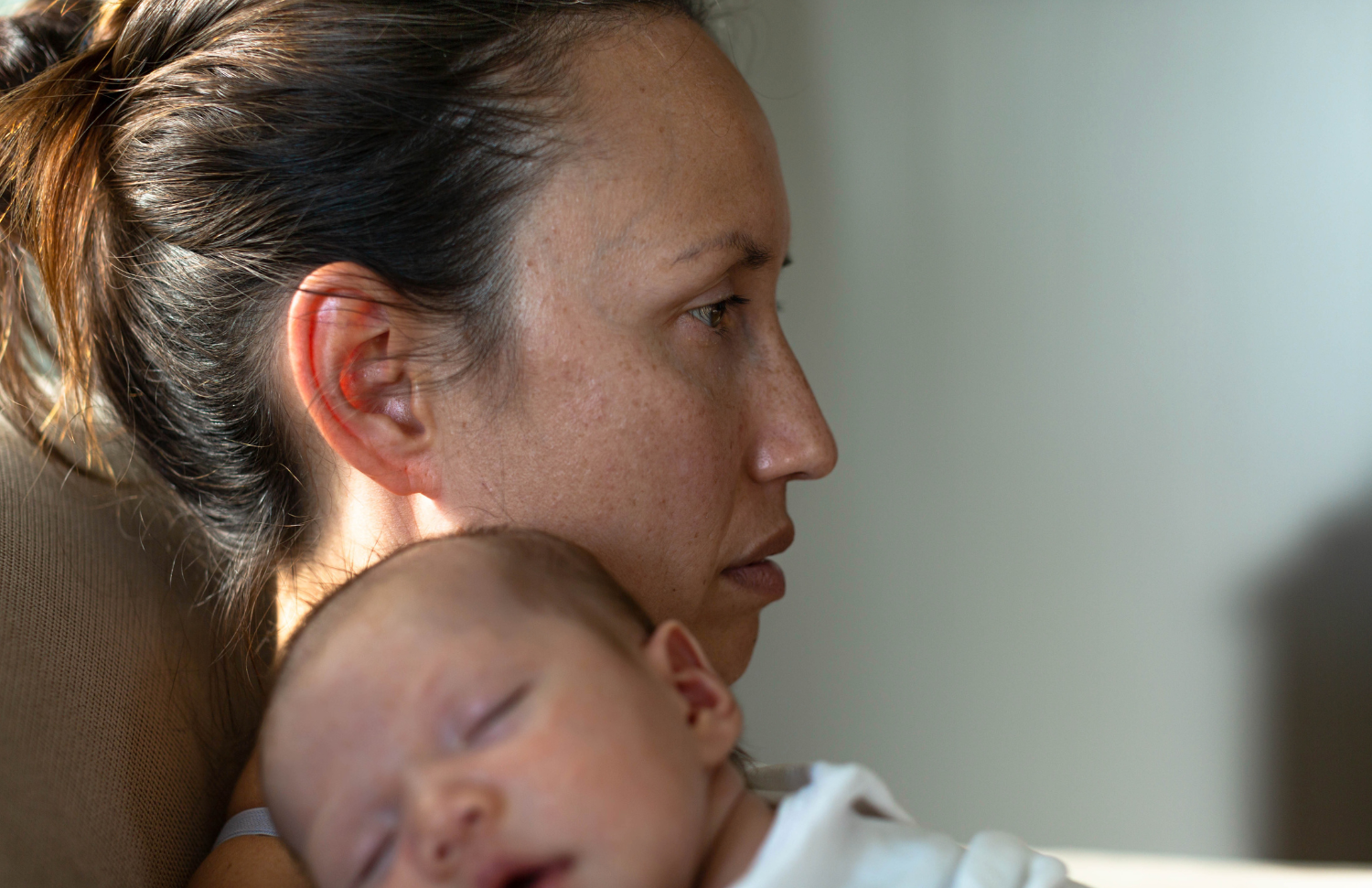
Why So Many Moms Stay Quiet About It
One of the hardest parts about postpartum depression is that many moms do not realize how common it actually is. A lot of women assume everyone else is adjusting better, bonding faster, or handling motherhood more naturally than they are.
Social media does not help either. You scroll past smiling newborn photos, organized nurseries, and moms who somehow look rested while holding a hot cup of coffee. Meanwhile, you may be wearing the same shirt for two days, surviving on snacks, and wondering why your emotions feel so heavy.
A lot of moms also stay quiet because they are afraid of being judged.
They worry people will think:
“I should be happier.”
“Other moms seem grateful all the time.”
“What if people think I’m a bad mother?”
So instead, many parents push themselves harder. They keep showing up, caring for the baby, answering texts, smiling in public, and quietly struggling underneath all of it. That survival mode can hide postpartum depression longer than people realize.
Research confirms that shame, stigma, and fear of being judged are among the biggest reasons mothers delay asking for help. Women often report feeling self-shame or embarrassment when needing outside help for PPD, and carry a negative stigma around disclosing what they are going through, according to research published in Frontiers in Global Women’s Health. Many moms minimize their symptoms for months because they assume they are “just tired” or think they should be able to handle it on their own.
What Actually Helps?
A lot of parents wait until they’re completely depleted before asking for help. You don’t have to hit that wall first.
Things that genuinely make a difference: more uninterrupted sleep, when possible, shared nighttime responsibilities, therapy, support groups, medication when appropriate, daily movement and sunlight, regular meals, and honest conversations with people who won’t minimize what you’re going through.
Postpartum depression is very treatable. Most parents recover fully with the right support.
The Wrap Up
The shift into motherhood is enormous physically, emotionally, mentally, and hormonally. Your body is recovering from pregnancy and birth while your brain adjusts to massive hormonal changes, broken sleep, constant responsibility, and an entirely new version of daily life. Sometimes that transition feels manageable. Sometimes it feels much heavier than expected. Neither experience says anything about the kind of mother you are.
A lot of parents quietly believe they should be handling it better. They look around and assume everyone else is coping more easily. In reality, many mothers are carrying anxiety, sadness, guilt, overstimulation, or emotional exhaustion behind closed doors while still showing up for their baby every single day.
If things have been feeling heavier lately, you deserve support too. Asking for help is not overreacting, weakness, or failure. It is one of the most self-aware and protective things you can do for both yourself and your baby. Sometimes healing starts with something as simple as finally telling someone, “I’m struggling more than I expected.”
And if nobody has said it to you recently: you are probably carrying far more than the people around you can fully see. The fact that you are worried, searching for answers, and trying to understand what you are feeling already says a lot about how deeply you care.
FAQ: PPD and Baby Blues Common Questions
❓ How long do baby blues usually last? Baby blues typically improve within 1 to 2 weeks after delivery.
❓ What’s the difference between baby blues and postpartum depression? Baby blues are temporary emotional fluctuations in the early postpartum weeks. PPD lasts longer, feels more intense, and can affect sleep, bonding, daily functioning, and overall well-being.
❓ Can postpartum depression start later after birth? Yes. PPD can develop anytime within the first year postpartum; it doesn’t always show up right away.
❓ Is anxiety part of postpartum depression? Yes. Persistent anxiety, racing thoughts, and constant worry are common alongside PPD.
❓ Can you have postpartum depression and still love your baby? Absolutely. Loving your baby and struggling emotionally are not mutually exclusive; they happen together more often than people realize.
❓ When should I ask for help? If symptoms last longer than two weeks, feel overwhelming, or make it hard to get through the day, reach out. You don’t need to wait until things get worse.
❓ Who should I talk to? Your OB-GYN, primary care doctor, pediatrician, therapist, or a postpartum support group are all good starting points.
❓ Does postpartum depression get better? Yes. With the right support, most parents improve significantly and start feeling like themselves again.