

What Is Really Happening in Your Brain
Feeling off after birth is not a personal failure. After delivery, estrogen and progesterone drop sharply, a calming brain chemical called allopregnanolone plummets, and the brain’s stress system can get stuck on high. These shifts explain the tears, anxiety, irritability, and emotional heaviness many new parents feel. Baby blues typically clear up within two weeks as the brain recalibrates. Postpartum depression happens when that adjustment process needs extra support and responds well to treatment. Both are rooted in biology, not weakness.
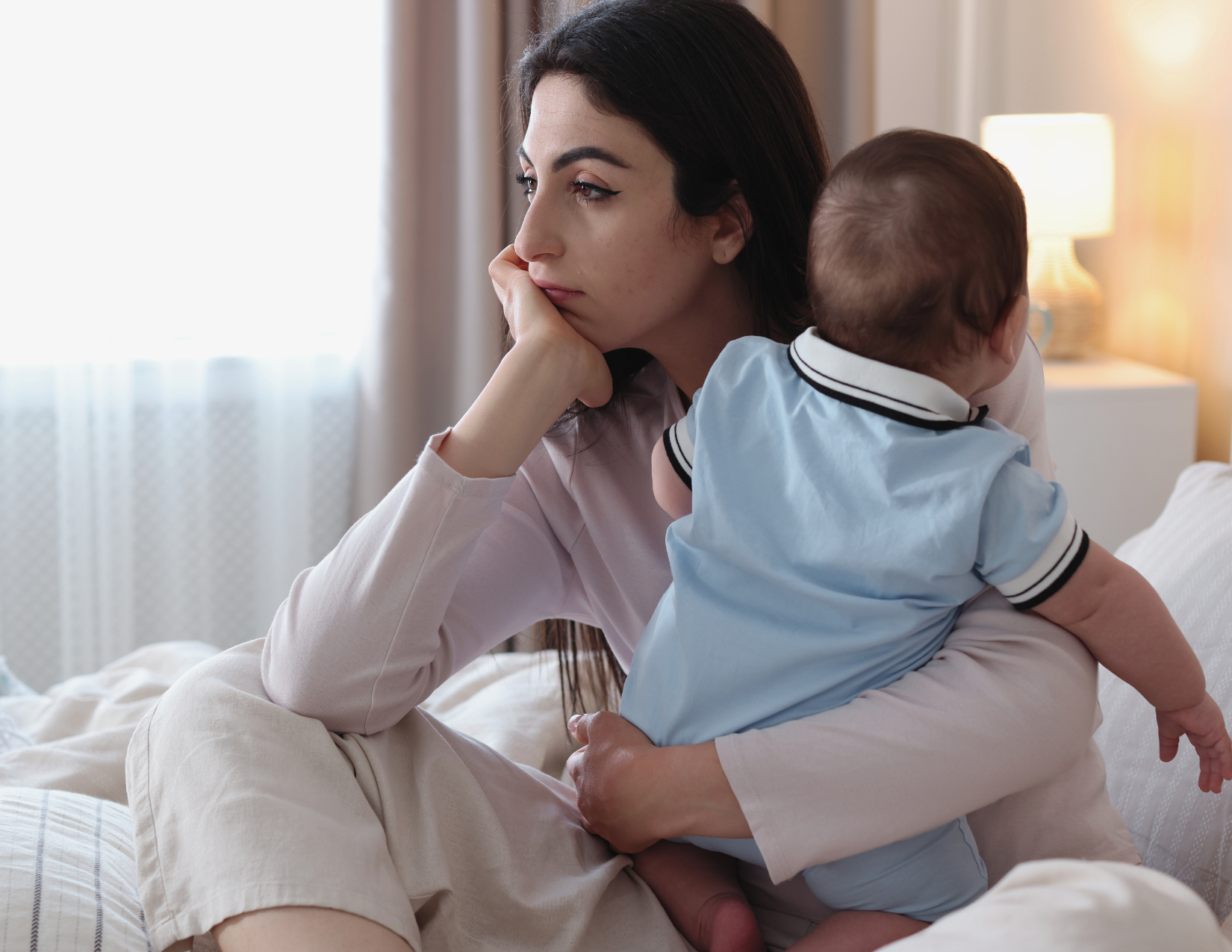
Feeling “off” after birth is not a personal failure. Learn about the hormonal and chemical shifts that cause baby blues and postpartum depression, and how to find support.
Why You Might Feel “Off”
You may find yourself asking, “Why am I not happier right now?” That question is more common than you think and the answer is biology, not weakness. After birth, your brain and body go through a massive chemical shift. Understanding what’s happening can take some of the blame off your shoulders. You are not failing. You are moving through one of the biggest physiological events of your life.
The Big Shifts After Birth
Hormones Crash
Estrogen and progesterone soar during pregnancy, then drop sharply after delivery in what is considered the fastest hormonal fall at any point in a human life. That free-fall hits the brain’s mood centers hard, which explains the tears, irritability, and anxiety so many people feel in the first week.
Calming Chemicals Disappear
Allopregnanolone is a neurosteroid that helps keep the brain calm. It plummets after birth. For most people, the brain resets on its own. For some, that sharp drop is what triggers postpartum depression.
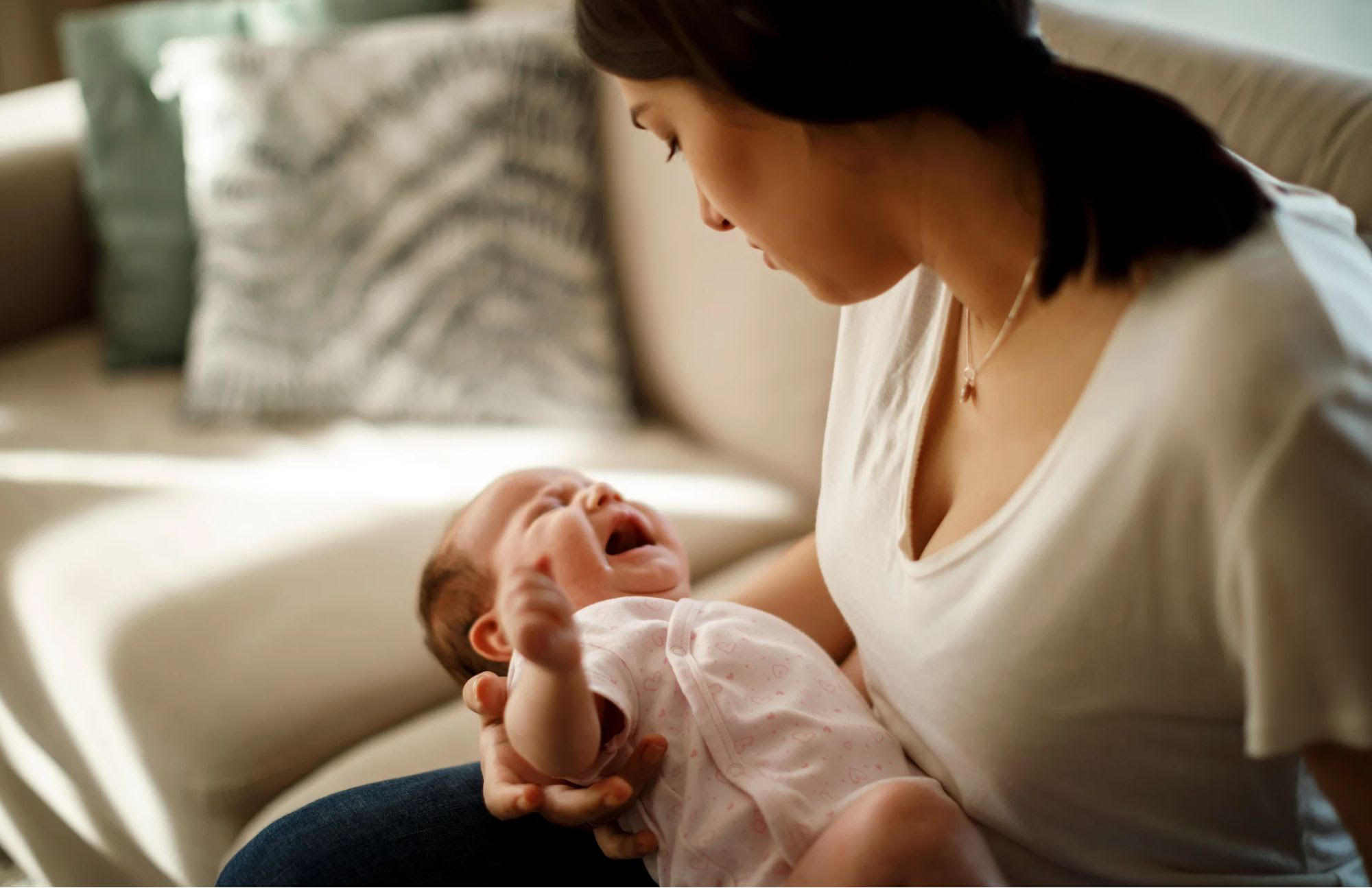
Stress System on Overdrive
The HPA axis is the brain’s stress regulator. After birth, it can get stuck on high, throwing cortisol rhythms off track and fueling anxiety and mood swings that feel hard to shake.
Inflammation and the Immune Link
Recent research has found that women with PPD often show higher levels of inflammatory markers called cytokines. This immune response can interfere with the brain’s ability to regulate mood.
Brain Wiring Changes
Brain imaging shows that PPD alters activity in areas tied to motivation, bonding, and joy including the amygdala and prefrontal cortex. That’s why things that should feel rewarding can feel flat for a while.
What Clinical Trials Confirm
The science backs this up. Here is what researchers have actually found when they studied these brain and hormone changes up close.
- JAMA Psychiatry (2021): A randomized controlled trial found that women with PPD who received treatments targeting neurosteroid pathways had significantly fewer symptoms than those who received a placebo, confirming these brain-chemical shifts are real and measurable.
- Neuropsychopharmacology (2023): A review of clinical trials supporting FDA approval of the first rapidly acting treatment specific to PPD confirmed that restoring balance in calming brain chemicals brought rapid and measurable relief from symptoms, grounding postpartum mood changes firmly in biology.
- Frontiers in Pharmacology (2022): Reviewed evidence linking inflammation and immune activity to PPD, pointing to biological causes that go beyond hormones alone.
How to Manage Those Feelings
When the thought “something is wrong with me” shows up, try shifting the frame: My brain is recalibrating after a massive shift. Just like a physical injury needs time and support to heal, so does the brain.
Quick Self-Check
Ask yourself:
- Are my symptoms fading after 1 to 2 weeks, or staying the same?
- Do I find moments of relief, or does the heaviness last all day?
- Can I enjoy small things, or does joy feel out of reach?
If your answers lean toward the second option, your body is asking for support and that support is available and effective.
The Wrap Up
Baby blues are what it looks like when your brain finds its footing after a big hormonal shift. Postpartum depression is what happens when that adjustment process needs extra help. Both are rooted in biology. One typically clears up as your levels stabilize. The other responds well to professional treatment. Asking for help is not a sign of struggle. It is one of the most informed decisions you can make for yourself and your baby.
FAQ: What Parents Are Asking About Postpartum Mood
❓ Is it normal to not bond with my baby right away?
Very common. When the brain is in a state of depression or high anxiety, the reward centers go quiet for a while. As your chemistry settles with support that connection has room to grow.
❓ How do I know if I have the baby blues or PPD?
Baby blues usually peak around day 4 or 5 and clear up by day 10 to 14. If sadness or anxiety lingers past two weeks, or makes it hard to care for yourself or your baby, it is likely PPD.
❓ Can sleep deprivation cause postpartum depression?
Sleep is essential for brain regulation, and losing it makes PPD symptoms worse. That said, PPD itself is driven by deeper chemical and inflammatory shifts. Sleep deprivation is more of an aggravator than a root cause. Getting even small blocks of sleep is genuinely a medical priority.
❓ Does having PPD mean I will have it again with future pregnancies?
It raises the risk, but it is not a given. Knowing your history means you and your doctor can build a proactive plan before the next baby arrives.
❓ Are there new treatments specifically for PPD?
Yes. The FDA has approved medications like zuranolone that specifically target the neurosteroid pathways linked to PPD. It is worth asking your doctor about these newer options.
❓ Can postpartum depression cause physical pain?
It can. Many parents experience headaches, back pain, or stomach issues without a clear physical cause. Because PPD is tied to higher inflammation, the nervous system can feel extra sensitive during this time.
❓ Is postpartum rage part of depression?
It is, though it does not get talked about as much. Sudden intense anger or snapping at small things is often a sign your system is overwhelmed. It is a biological stress response that responds to the same support used for PPD.
 Can partners experience a hormone crash too?
Research shows partners go through hormonal changes after a baby arrives, including drops in testosterone and rises in cortisol. About 1 in 10 partners experience paternal postpartum depression. Taking care of each other’s mental health matters just as much.