

Why This Simple Game Does More Than You Think
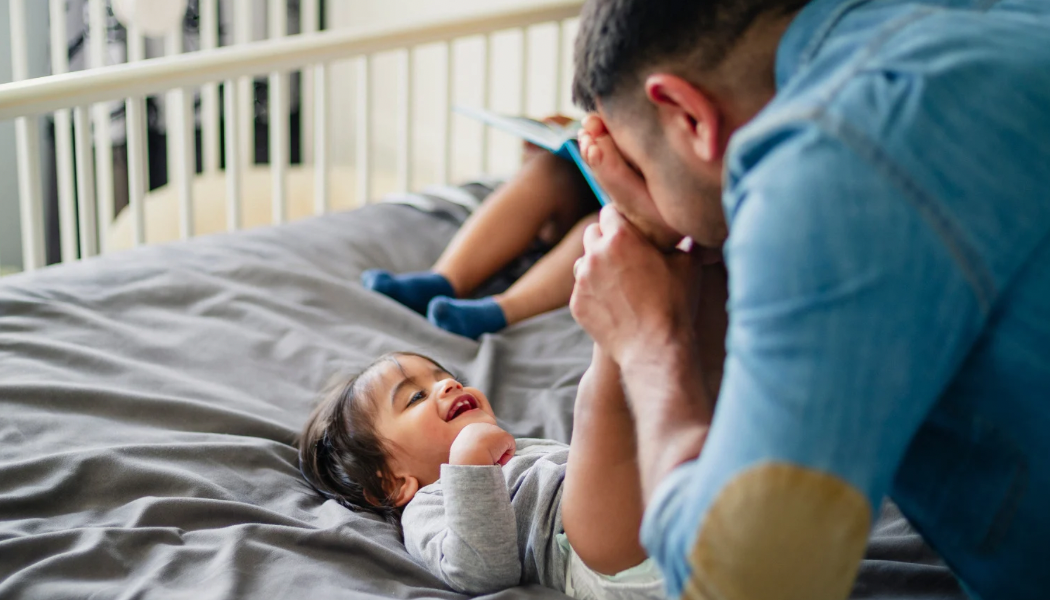
Why do babies love peekaboo so much?
You cover your face, pop back into view, and suddenly your baby acts like you just performed the greatest magic trick in history. It might look silly, but for your baby, peekaboo is a huge lesson in trust, memory, and connection.
Babies learn best through warm, responsive interaction with real people. The American Academy of Pediatrics describes play as brain-building because it supports social bonds and healthy development. Peekaboo fits perfectly into that because it gives your baby a simple rhythm. You disappear, they wait, you return, and the two of you share the joy of being back together.
What is peekaboo actually teaching your baby?
Peekaboo helps babies practice object permanence. This is the understanding that people and objects still exist even when you can’t see them. According to AAP guidance, babies start building this understanding after about 4 months and keep getting stronger at it through the rest of their first year. The AAP actually recommends playing peekaboo specifically to help with this skill.
In the beginning, your baby might just enjoy seeing your face and hearing your voice. Over time, the game becomes even more meaningful because they start to anticipate your return.
Peekaboo supports several skills at once:
- Object permanence: Learning that you are still there even when you’re hidden.
- Attention and anticipation: Waiting to see what happens next.
- Early memory: Recognizing the pattern of the game.
- Social connection: Watching your face and responding to your emotions.
- Turn-taking: The early rhythm of back-and-forth communication.
When do babies usually start to ‘get’ the game
Many babies start enjoying face-to-face games early on, but object permanence develops gradually. AAP guidance explains that after about 4 months, babies begin to realize that people and things are more permanent. By 8 to 12 months, they are often much more active in searching for hidden objects and get really excited to repeat the game.
If a very young baby just stares at you, they are simply still learning the basics. Keeping it gentle and playful helps that magic grow as they get older.
How peekaboo supports their emotional world

The AAP emphasizes that play helps build safe and stable relationships. In peekaboo, your baby experiences a very brief separation followed by a warm return. That repeated pattern feels reassuring because your baby learns that connection always comes back.
This is especially helpful around 8 to 12 months when many babies become more cautious around new people or want to stay closer to you. This stage is a normal, healthy part of their social development. Peekaboo gives them a tiny, playful way to practice separation and reunion while staying safely connected to you.
Practicing social and language skills
Peekaboo is like an early conversation without words. You pause, your baby watches, and you respond. When your baby laughs, kicks, or waits for another round, they are participating in that back-and-forth pattern that leads to talking.
By around 7 months, many babies respond to their name and use sounds to show they are happy. Peekaboo gives them great practice reading your face, listening to your voice, and responding to your timing.
Why real-life peekaboo beats a screen every time
The best version of peekaboo is the simplest one: your face, your voice, and your baby’s reaction. The AAP’s guidance on infant screen time explains that babies younger than 18 months need real-world interaction with caregivers to learn and grow. While video chatting with family is a great way to build relationships, infants learn best from the people right there in front of them. Your expressions and your timing are the most powerful learning tools your baby has.
A quick guide to playing peekaboo by age
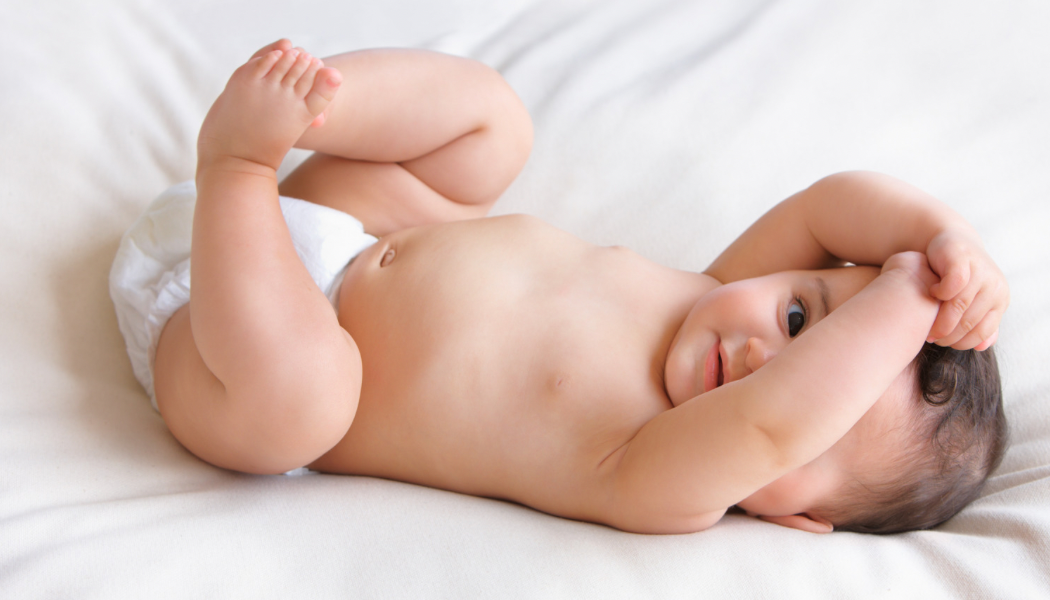
0 to 3 months: Keep your face close and talk softly. Your baby will probably enjoy the sound of your voice most of all.
4 to 7 months: Try using a light cloth or your hands. Adding a little pause before you reappear helps them start to anticipate the surprise.
8 to 12 months: You can hide behind a doorframe or hide a toy under a blanket. This is a great age to let your baby reach out and find you.
Older babies and toddlers: Let them be the ones to hide from you. Acting surprised when they pop out helps them practice control and humor.
What to do when peekaboo isn’t fun for your baby
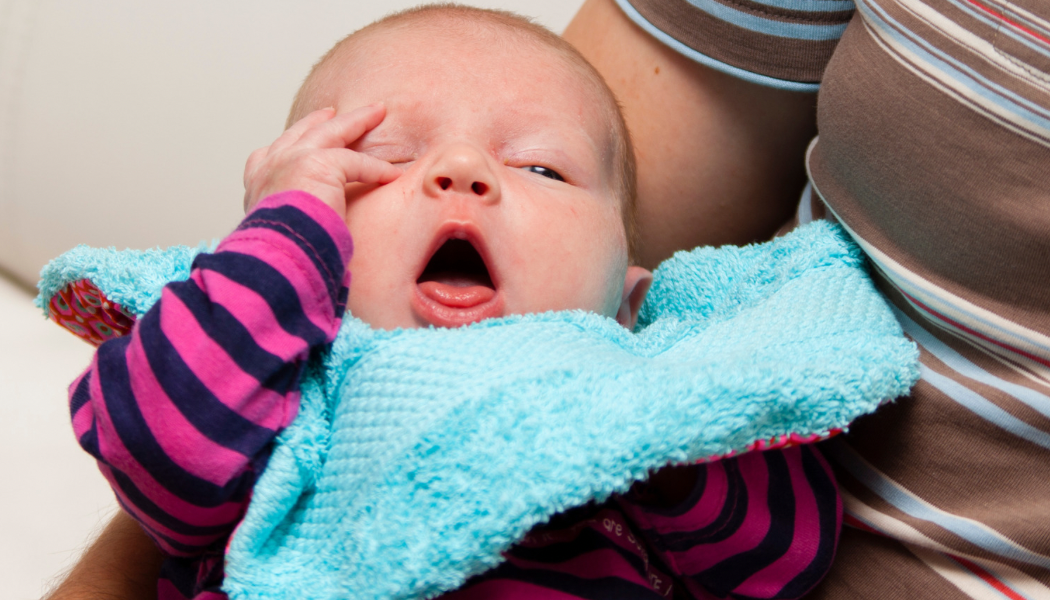
Every baby has their own style. Some laugh right away, while others need a bit more time to get into it. If your baby seems to need a slower pace, you can use a softer voice or uncover your face a little faster.
If they turn away or seem to need a break, it is perfectly fine to pause and try again another day. The game works best when your baby feels safe and comfortable.
When to bring up development concerns with your doctor
Peekaboo is a sweet way to support learning, but it is just one small part of the big picture. Some babies are quieter or need extra time, especially babies born early. For premature babies, the AAP recommends using adjusted age when tracking milestones until they are 2 years old.
It is always a good idea to chat with your pediatrician if you notice your baby isn’t making eye contact, isn’t responding to sounds, or if your gut tells you something feels off. The AAP suggests regular developmental screenings during checkups to make sure everything is on track.
The Wrap-Up
Peekaboo might look like a tiny game, but it has so much value. It supports memory, social connection, and emotional security. Your baby thrives on these loving, responsive moments that repeat often enough to feel familiar. Every smile and reunion tells your baby something powerful: you are here, they are safe, and learning is a joyful experience.
FAQ: What Parents Ask About Peekaboo and Baby Development
 When should I start playing peekaboo with my baby?
You can start in the early months with a very gentle version, such as smiling, talking, and briefly covering part of your face. Many babies become more visibly excited around 4 to 7 months, and the game often becomes more meaningful between 8 and 12 months as object permanence grows.
What age do babies understand object permanence?
AAP guidance explains that babies begin building this understanding after about 4 months and continue strengthening it for many months. By 8 to 12 months, many babies are more likely to look for hidden objects and enjoy peekaboo with more anticipation.
Why does my baby laugh at peekaboo?
Peekaboo gives your baby a safe surprise. They see a familiar face disappear, wait for it, and then enjoy the happy return. The laughter usually comes from that mix of anticipation, recognition, and shared joy.
Does peekaboo help with separation anxiety?
It can gently support the idea that separations are temporary, but it will not erase separation anxiety. Around 8 to 12 months, clinginess and caution with unfamiliar people are common parts of development. Peekaboo offers a playful way to practice “gone and back” while your baby still feels safe.
Is peekaboo good for brain development?
Yes. AAP guidance describes play as brain-building because it supports social bonds, emotional regulation, planning, communication, and healthy development. Peekaboo supports these areas through simple, responsive interaction.
Does peekaboo help language development?
Indirectly, yes. Peekaboo works like an early conversation: pause, watch, respond, repeat. Your baby practices listening to your voice, reading your face, noticing your timing, and responding with sounds, movement, or smiles.
What if my baby cries during peekaboo?
Slow the game down. Use a softer voice, stay close, uncover your face quickly, and stop if your baby seems upset. A baby who cries is not “failing” the game. They are giving you a cue that the surprise needs to feel gentler.
Can I play peekaboo with a toy instead of my face?
Yes. Hiding a toy under a cloth is another way to support object permanence, especially as your baby gets closer to the later months of infancy. Your face is especially powerful because babies learn so much from expressions and voice, but toys can be part of the fun too.
Does screen peekaboo count?
A live video chat with a loved one can support relationship-building, but passive videos are not the same as responsive face-to-face play. AAP guidance says infants learn best through real-world interaction with caregivers.
My baby was born early. Should I use their actual age or adjusted age?
For premature babies, AAP guidance recommends using adjusted age when tracking development until age 2. That means your baby may reach some play and social milestones on a slightly different timeline, and your pediatrician can help you interpret what is expected.
How many times a day should I play peekaboo?
There is no required number. A few short, happy rounds during diaper changes, floor time, or cuddles are enough. Stop while your baby is still enjoying it so the game stays positive.
Should I worry if my baby does not like peekaboo?
Not always. Some babies are more serious, cautious, tired, or easily startled. Bring it up with your pediatrician if your baby also avoids eye contact, does not respond to sound, rarely smiles or engages socially, loses skills, or if you feel concerned.