

As a new parent, you want nothing more than to keep your baby safe and sound while they sleep. There’s a lot of advice out there, but research shows a few simple habits make the biggest difference. This guide breaks down the safest sleep practices, how to reduce the risk of Sudden Infant Death Syndrome (SIDS), and how to create a secure sleep space that helps your newborn get the best rest possible.
Why Safe Sleep Matters
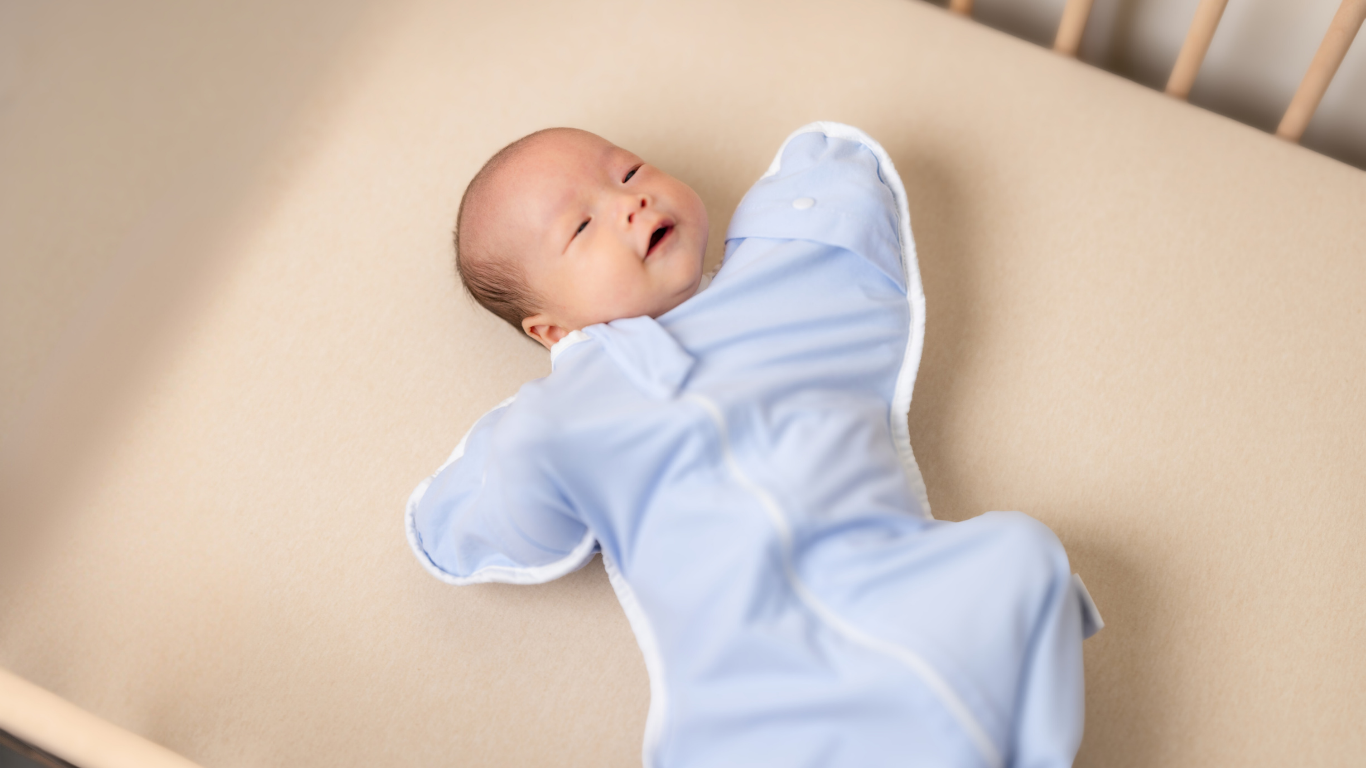
Every parent wants to make sure their baby sleeps safely, but did you know that certain sleep environments can increase the risk of SIDS? Research shows that following safe sleep guidelines can reduce the risk of SIDS by up to 50 percent.
When my boys were little, I used to stare at them just to make sure they were okay. I’d rest my hand on their tiny chest or lean in close to hear those soft breaths. That instinct never turns off.
That feeling is normal. Safe sleep doesn’t remove the instinct to check — it simply gives you more room to relax between those moments.
Safe Sleep Guidelines for Newborns
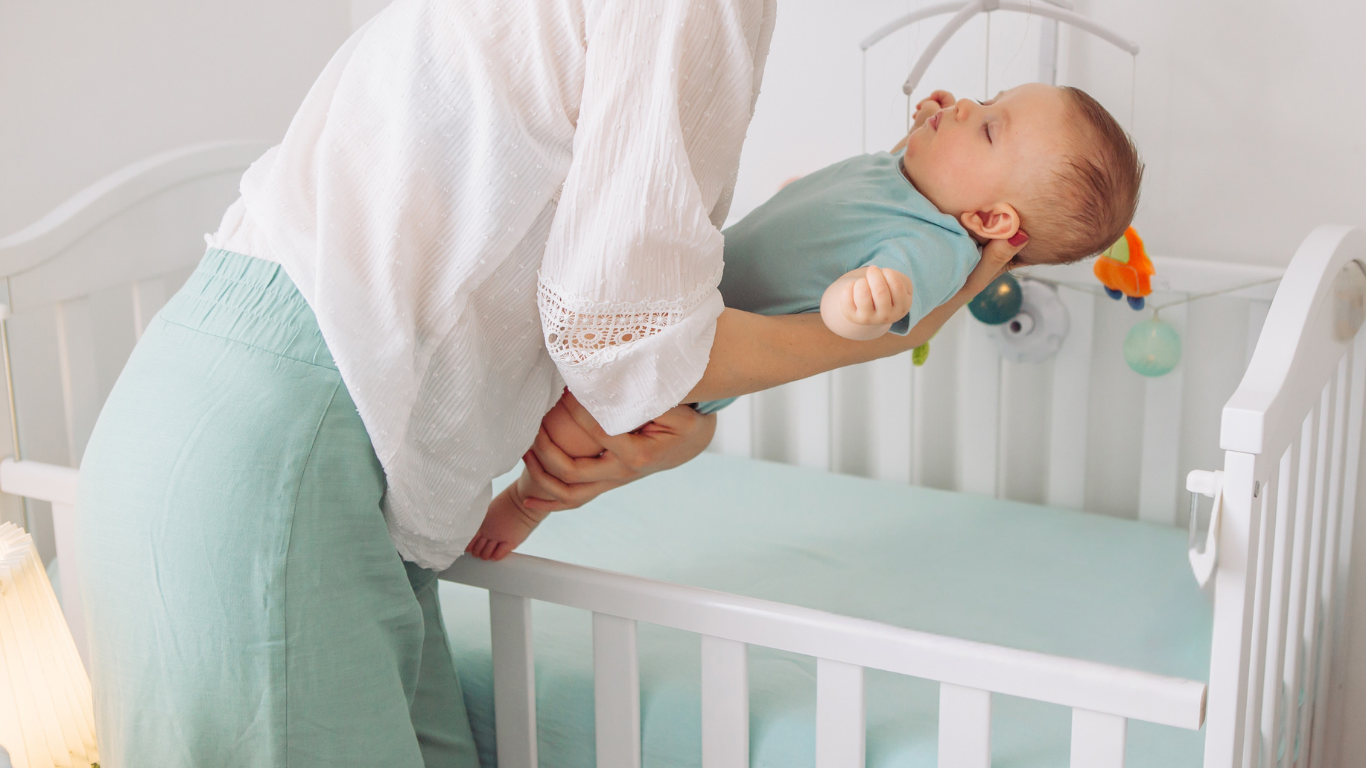
Follow these pediatric expert recommendations to ensure your baby’s sleep is as safe as possible:
 Back to Sleep: Always place your baby on their back for every nap and nighttime sleep.Firm Sleep Surface: Use a crib or bassinet with a firm mattress and fitted sheet only. No Soft Bedding or Toys: Remove blankets, pillows, bumpers, and stuffed animals. Room Share, Don’t Bed Share: Keep baby in your room, but on a separate surface.Avoid Overheating: Dress baby lightly and keep the room comfortable.Offer a Pacifier: Pacifier use during sleep can reduce SIDS risk.
How to Set Up a Safe Sleep Environment
Creating a safe sleep environment doesn’t have to be complicated. A simple, bare setup provides the safest foundation for sleep.
Choose a Safety-Approved Crib: Meets the latest safety standards. Firm, Flat Mattress: Provides proper support. Keep It Bare: Only a fitted sheet — nothing else. Comfortable Temperature: Aim for 68–72°F.Common Safe Sleep Myths
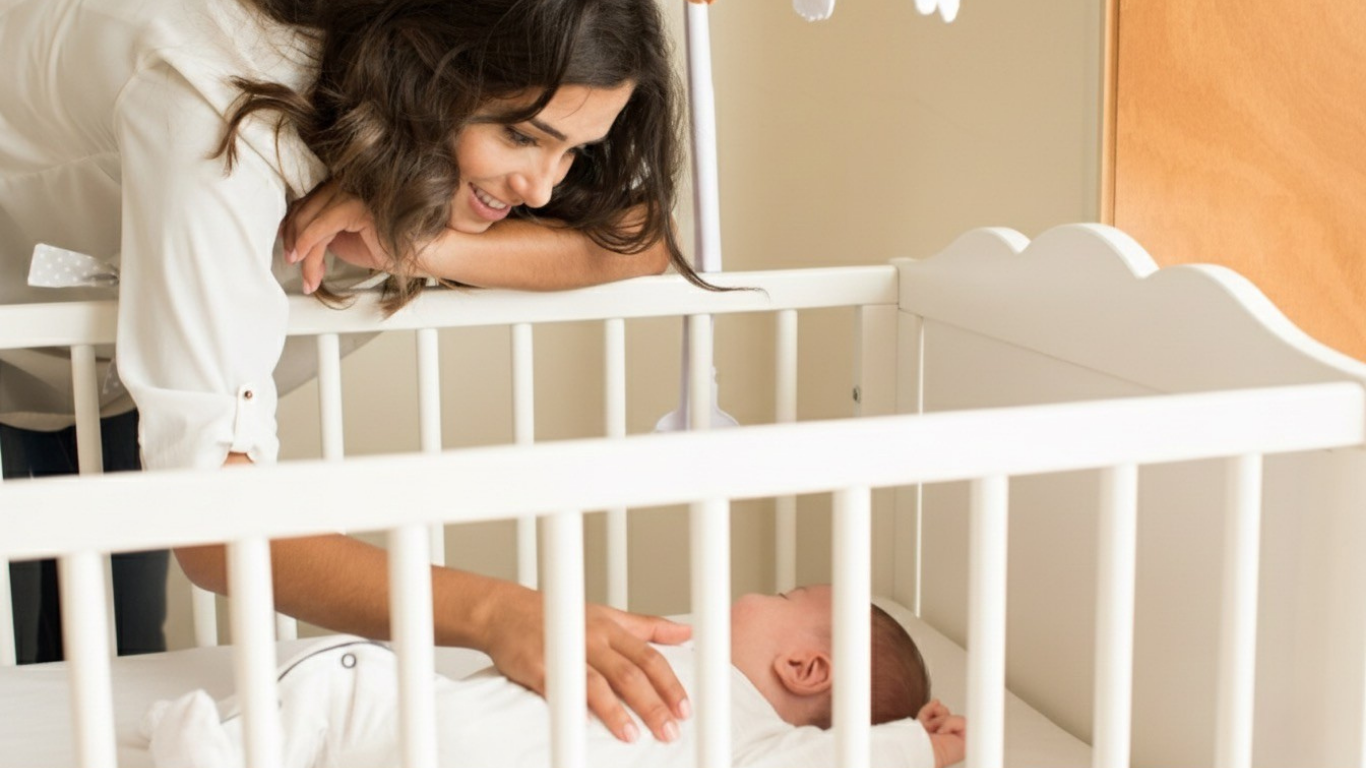
 Myth: Babies sleep better on their stomachs.
 Fact: Back sleeping is the safest position and reduces SIDS risk.
Myth: Crib bumpers prevent injuries.
Fact: Bumpers increase suffocation risk and should not be used.
Myth: Co-sleeping is safe if done carefully.
Fact: Bed-sharing increases SIDS risk. Room-sharing is safer.
Establishing Healthy Sleep Habits
Calming Bedtime Routine: Gentle rocking, dim lights, or soft music. Consistency: Put baby down around the same time each night. Watch Sleep Cues: Yawning, eye rubbing, fussiness.
Safe sleep isn’t just about safety — it’s about peace of mind. Every time you follow this setup, you’re helping protect your baby and quiet those what-if worries.
The Wrap Up
By following safe sleep practices, you’re giving your baby the best possible start. Every small step adds up to powerful protection. You’re already doing an amazing job creating a peaceful, safe space for your baby to rest.
 If you found this helpful, save it or share it with another new parent.
Frequently Asked Questions
 Is it safe for my newborn to sleep in a bassinet or crib next to me?
Yes. Room-sharing for at least the first 6 months is recommended, as long as baby has their own sleep surface.
My baby sleeps better on their stomach — can I allow that?
No. Always place your baby on their back for both naps and nighttime sleep.
What if my baby rolls during sleep?
If baby can roll both ways independently, you don’t need to reposition — just keep the space clear.
Is sleeping in swings or car seats okay?
No. These are not designed for safe sleep. Use a firm, flat crib or bassinet.
Does a pacifier really help reduce SIDS risk?
Yes. Offering a pacifier at sleep times has been shown to reduce SIDS risk.