

Everything That Happens in the First Hour After Birth
The first hour after birth is often called the golden hour and includes several important steps for both baby and parent. Most hospitals encourage immediate skin-to-skin contact to help stabilize your newborn’s temperature, heart rate, and breathing. Within the first few minutes, your baby receives an APGAR score at 1 and 5 minutes to assess their transition to life outside the womb. Routine newborn care in the delivery room also includes Vitamin K injection to prevent bleeding disorders, antibiotic eye ointment to protect against infection, and the first Hepatitis B vaccine. Delayed cord clamping is available in most hospitals when requested in advance. The first feeding typically happens within the first hour when your baby is most alert and ready. Most of these steps happen right beside you or on your chest and take only a few minutes each.
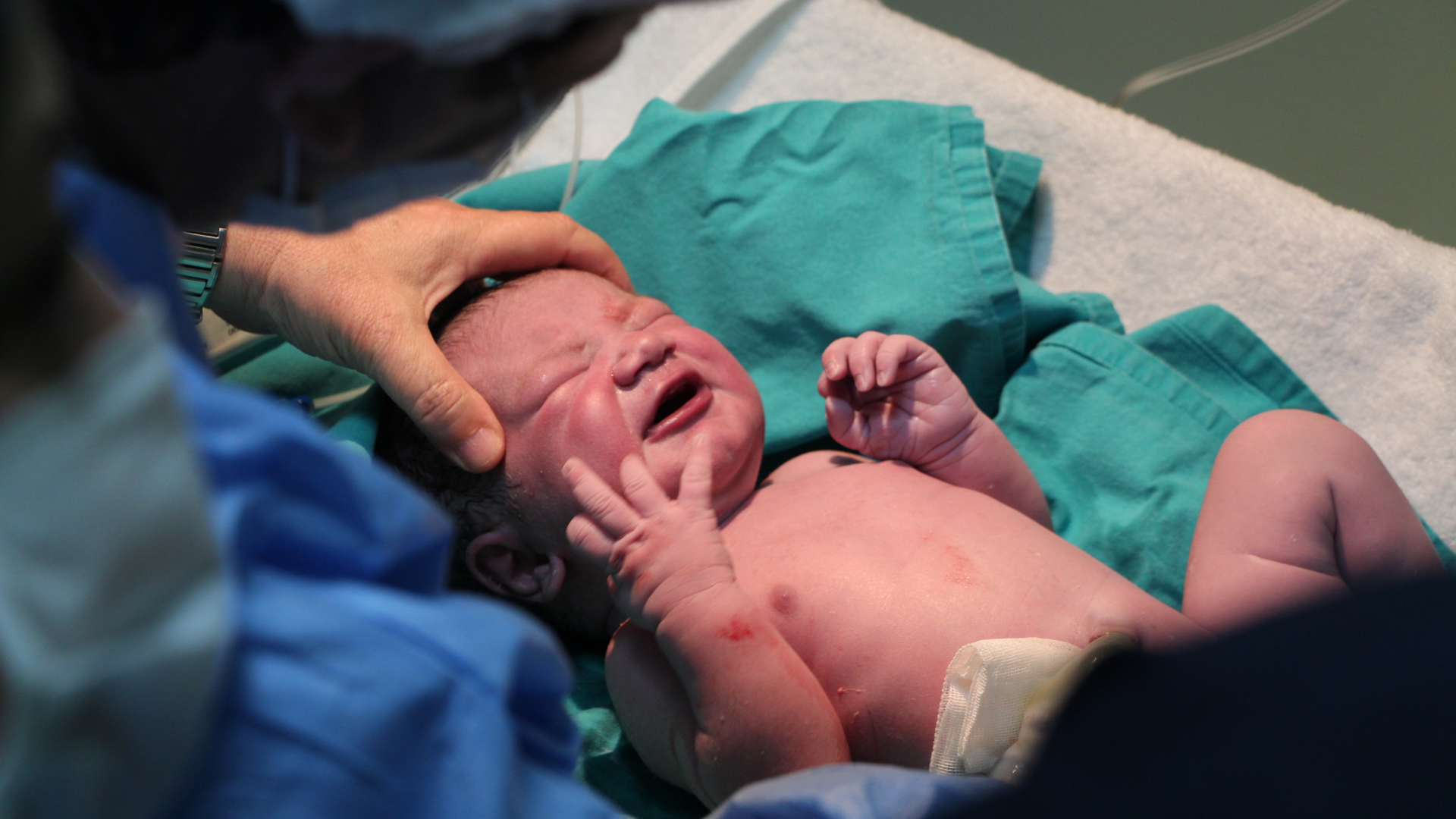
Have you ever wondered exactly what happens right after birth? From the first cry to the first check-ups, those initial moments can feel like a whirlwind. Understanding each step helps you feel prepared and confident.
The First Few Minutes After Birth
After hours of labor or a C-section, your baby is finally here! But why do nurses take them away so quickly? Don’t worry; it’s all part of routine newborn care after birth.
Umbilical Cord Clamping & Cutting: The umbilical cord is clamped and cut within seconds to minutes after birth. Many hospitals allow your partner to participate in this step.
Initial Measurements: Nurses will record your baby’s weight, length, and head circumference.
APGAR Score Assessment: This quick test checks appearance, pulse, reflexes, activity, and breathing. A score of 7 or higher means your baby is doing well.

Newborn Medications & Preventative Care
To keep your baby healthy, the hospital will administer a few essential newborn treatments:
✅ Eye Ointment: Protects against bacterial infections from the birth canal.
✅ Vitamin K Shot: Prevents Vitamin K Deficiency Bleeding (VKDB), a rare but serious condition.
✅ Hepatitis B Vaccine (Optional): Many parents choose to start their baby’s immunization schedule in the hospital.
What to Expect in the Delivery Room
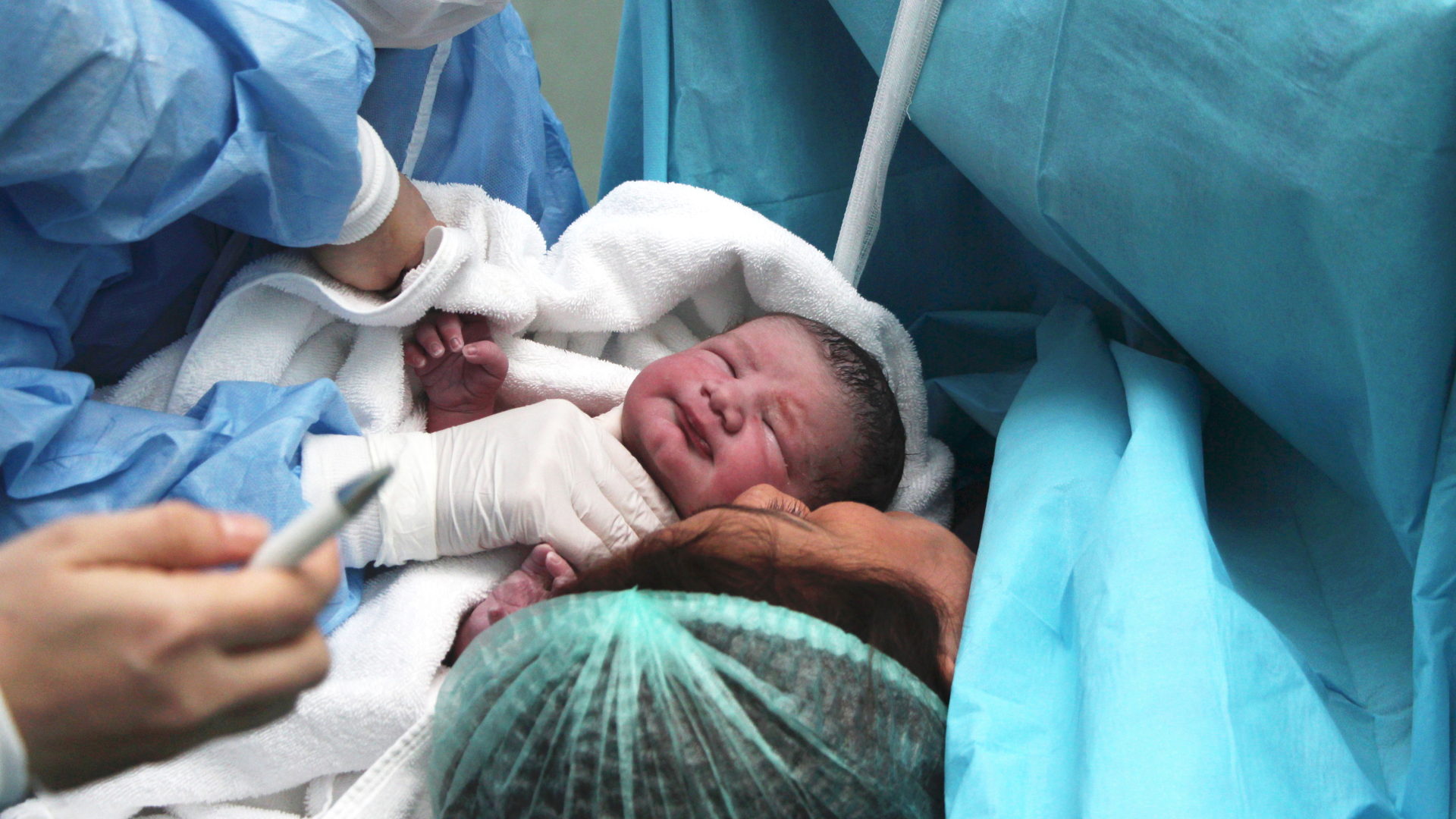
The delivery room can feel overwhelming, with medical staff bustling around. But knowing what to expect makes it less stressful. While every hospital has its own rhythm, most follow the same basic steps you just read through, so even if things feel busy, you’ll know what’s happening and why.
During that same first hour, your own recovery matters too. Ask for a warm blanket, a drink, or help getting comfortable so you can rest while your baby adjusts. Your well-being helps your baby feel safe.
Those first moments can feel fast and unfamiliar, but each step is part of helping your baby safely transition into the world. You’re already doing everything right by staying present.
The Wrap Up
Welcoming your baby into the world is one of the most intense and meaningful experiences of your life. The first hour can feel like a blur of people, sounds, and emotions all happening at once. Knowing what to expect ahead of time helps you stay grounded in the middle of all of it. When you understand why each step is happening, the medical team moving quickly feels less alarming and the moments of stillness feel more intentional. You can be present instead of anxious. That shift matters, because the way you feel in that first hour matters too. You and your baby both deserve to start this journey feeling safe, informed, and supported. Preparation is not about controlling every detail. It is about walking into that room with enough knowledge to trust the process and stay connected to the moment you have been waiting for.
FAQ: What Parents Ask Most About the First Hour After Birth
❓ Do I get to hold my baby right away after birth?
Yes. In most uncomplicated births, the hospital encourages immediate skin-to-skin after delivery, which helps stabilize your newborn’s temperature, heart rate, and breathing. It also supports early breastfeeding and bonding.
❓ Why does the medical team move so quickly after delivery?
Those first assessments, checking newborn breathing, color, and responsiveness, are part of routine newborn care in the delivery room. Even if it feels fast, most steps are done right beside you and take less than a minute.
❓ What exactly is the APGAR score?
The APGAR score is a quick test done at 1 and 5 minutes after birth. It checks Appearance, Pulse, Grimace, Activity, and Respiration. A score of 7 or more usually means your baby is transitioning well during those first newborn moments after birth.
❓ Does every baby need eye ointment?
Yes, in most hospitals. Newborn eye ointment protects against bacterial infections acquired during birth. It does not hurt your baby but may make their eyes look shiny for a short time.
❓ Why is the Vitamin K shot necessary?
The Vitamin K injection for newborns prevents Vitamin K Deficiency Bleeding, a rare but dangerous condition. Babies are naturally low in Vitamin K at birth, so the shot gives them the protection they need.
❓ Can I request delayed cord clamping?
Often, yes. Delayed cord clamping for 30 to 60 seconds can improve iron levels and support circulation. Most hospitals offer it when both parent and baby are stable. It is a good idea to discuss this before delivery.
❓ Is the Hepatitis B vaccine required in the hospital?
It is recommended but optional. The newborn Hepatitis B vaccine protects your baby early on, especially if someone in the household is a carrier. If you prefer to delay it, talk to your pediatrician about alternative timelines.
❓ Will my baby be taken out of the room after birth?
Many hospitals keep baby with you for rooming-in and perform routine newborn exams including weighing and measuring right in your delivery room or on your chest. Policies vary, so it is worth asking during your hospital tour.
❓ When will the first feeding happen?
Usually within the first hour. This is often called the golden hour after birth, when babies are most alert and ready to feed. Early feeding helps with milk production and supports your baby’s natural instincts.
❓ What if I had a C-section, does anything change?
Most steps still happen the same way. Many hospitals support skin-to-skin after a C-section, as long as you are awake and stable. If you need more time to recover, your partner can do skin-to-skin until you are ready.