

It Is Not Rejection. Here’s What’s Going On
Babies often calm faster with Mom because they spent months learning her voice, heartbeat, and scent in the womb. This makes her feel more familiar to a newborn’s nervous system early on. It is not rejection. Fathers build attachment through repeated caregiving after birth. Skin-to-skin contact, owning one consistent routine, and staying present during hard soothing moments all help your baby learn that Dad is safe too. Most dads notice a real shift within the first few months.
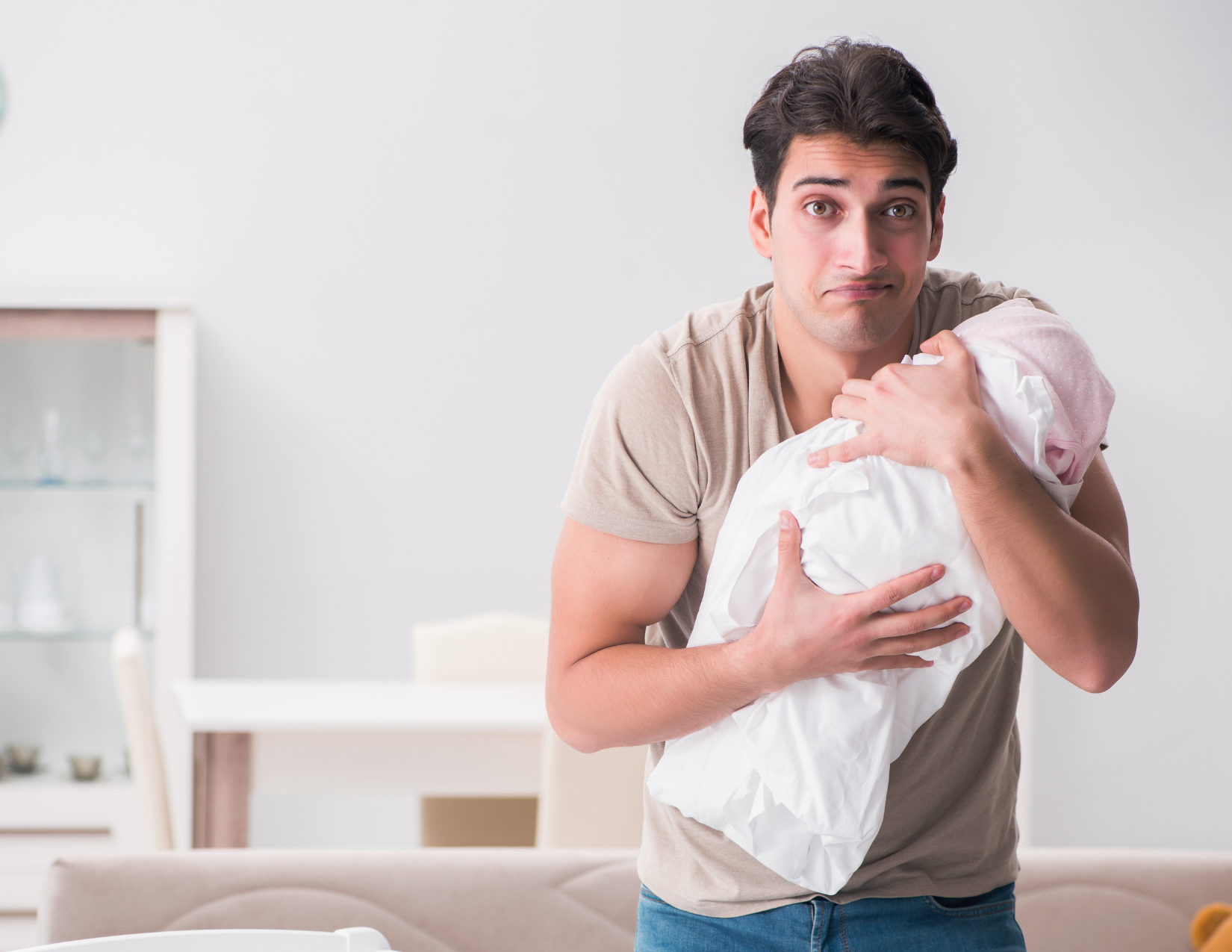
This surprises a lot of parents: babies sometimes cry harder with the parent they’re still learning.
Not because they dislike you. Because you’re newer territory.
Newborns thrive on predictability. Right now, Mom may simply feel more predictable to their nervous system. But babies are incredibly adaptable. The more consistent your presence becomes, the more your baby learns that Dad is safe too and that shift happens faster than most fathers expect.
The Mistake Many Dads Make
Some dads unintentionally pull away when soothing feels hard. They hand the baby back quickly. They assume Mom is better at it. They stop trying as often.
But babies build attachment through repeated exposure, not perfection.
If Mom always becomes the automatic rescue, your baby gets fewer chances to learn your calming patterns too. Awkward reps are still reps.
How to Help Your Baby Learn You Faster
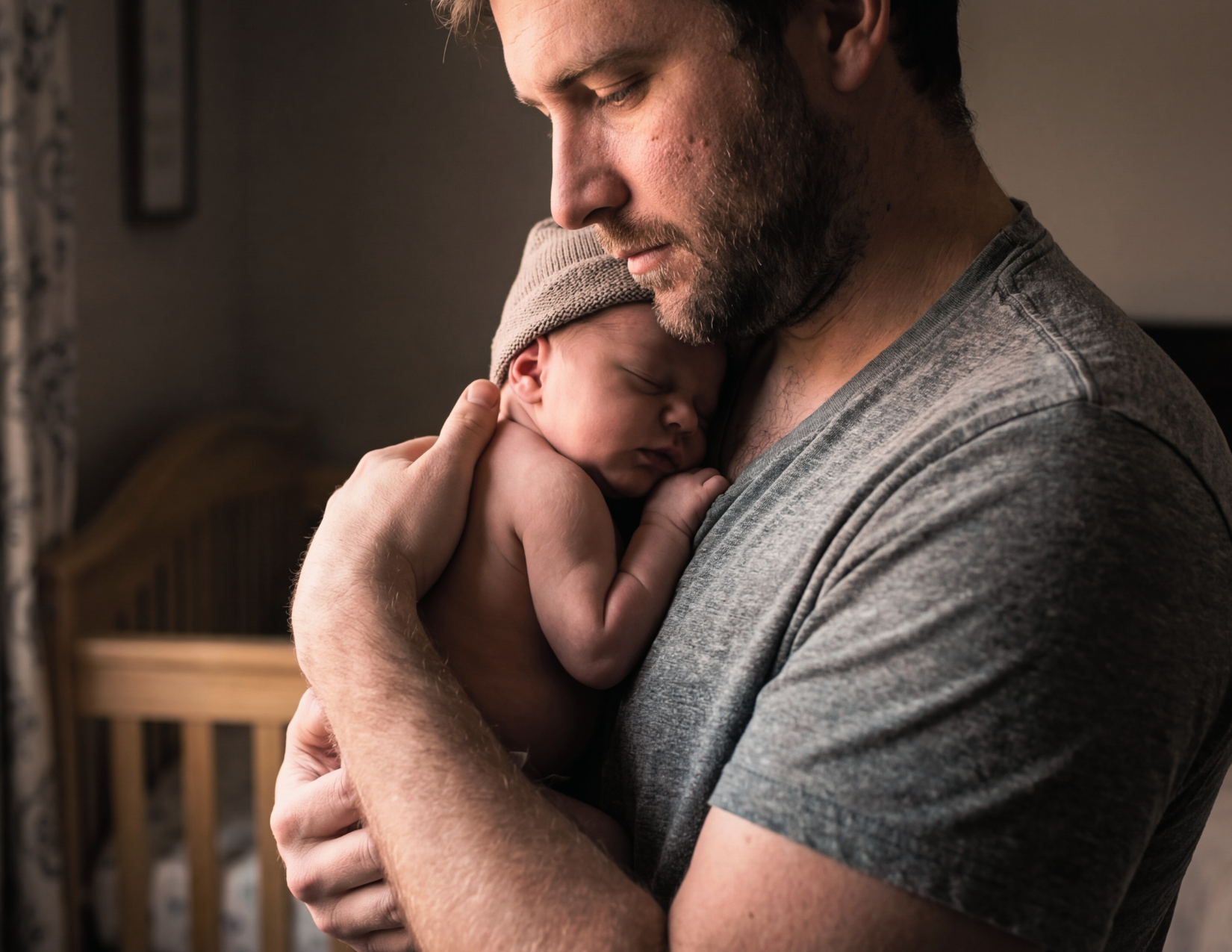
Go skin-to-skin
Holding your baby against your bare chest helps regulate their heart rate, temperature, and stress hormones and builds emotional bonding. This works for dads too. Even 10 to 15 minutes a day makes a difference.
Create one “dad ritual”
Babies love repetition. Pick one thing that becomes your bedtime rocking, morning cuddles, bath time, post-feeding burping, evening walks. Over time your baby starts associating that routine with comfort and safety.
Talk more than you think you need to
Your baby doesn’t understand words yet, but they absolutely learn rhythm, tone, and emotional safety from your voice. Narrate what you’re doing. Talk during diaper changes. Sing badly your baby doesn’t care. The goal is familiarity, not entertainment.
Stay calm when it feels like rejection
Babies are tiny nervous systems reading big nervous systems. If you tense up or feel defeated, your baby often feels that shift too. That doesn’t mean faking confidence it just means slowing down helps both of you. Sometimes the most useful thing you can do is breathe first.
What the Research Actually Shows
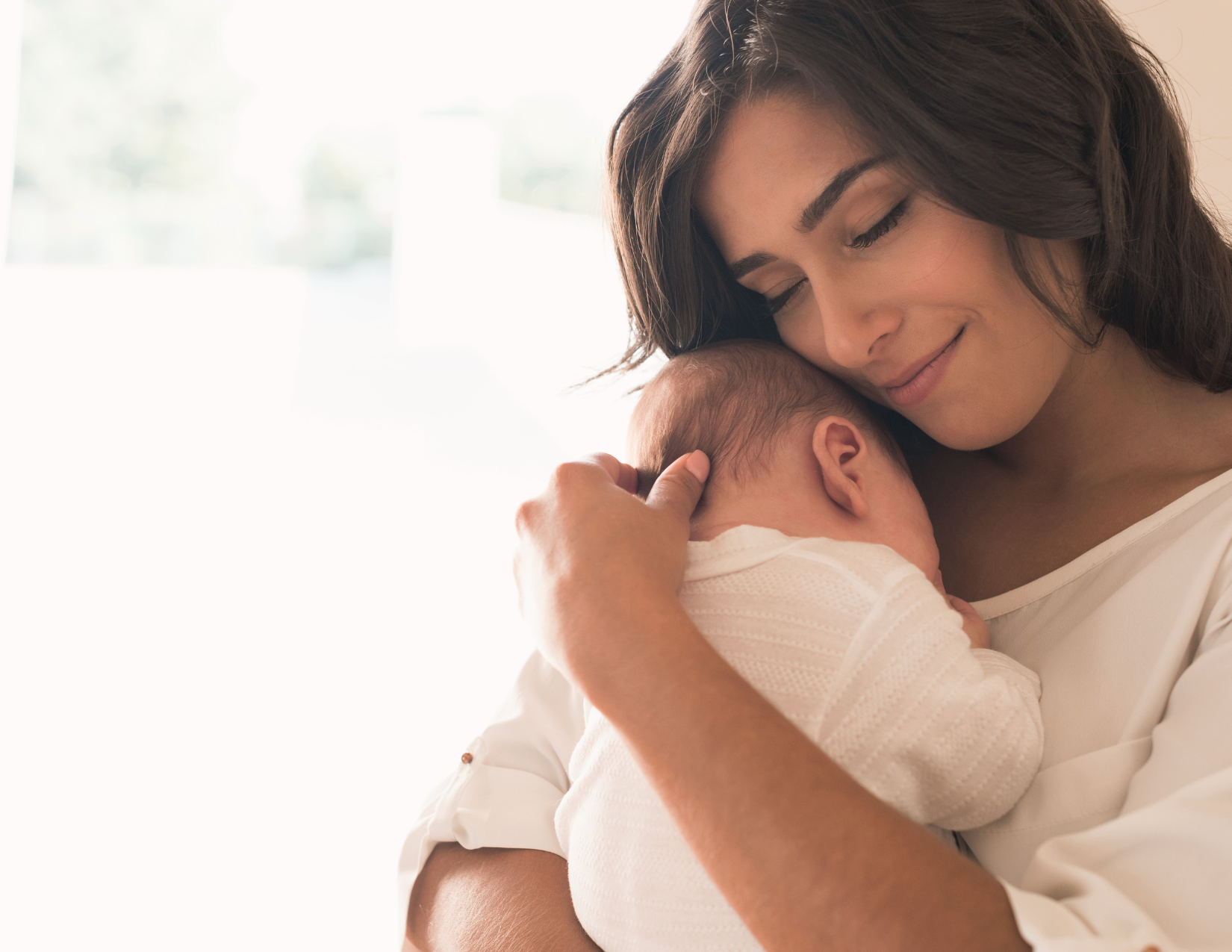
Here is the thing: this is not in your head, and it is not personal.
Research published in Psychological Science found that babies learn to recognize their mother’s voice while still in the womb and show a clear preference for it from the moment they are born. They spent months listening to her heartbeat, her laugh, her conversations. By the time they arrive, Mom already feels like home.
Scent works the same way. Babies can identify their mother’s scent within the first days of life, which is part of why being held by her triggers such a fast-calming response so early on. That is a lot of built-in familiarity to catch up to.
Your goal now is not to give up and to be patient. Every single interaction from this point forward is building exactly that same kind of safety in your baby’s nervous system.
You can read the full research here.
The Wrap Up
If your baby settles faster with Mom right now, it doesn’t mean your bond is weaker. It means your relationship is still being built.
Every diaper change. Every failed swaddle. Every late-night rocking session. Every moment you show up when you’re exhausted.
Your baby is learning you not all at once, but steadily.
FAQ: What Dads Are Really Asking About This
❓Is it normal for newborns to prefer Mom over Dad at first? Yes. Newborns spend months hearing Mom’s heartbeat, voice, and movements in the womb, so her presence feels more familiar early on. It’s extremely common and not a sign your baby loves you less.
❓Does my baby know who I am yet? Yes. Your baby learns your voice, scent, touch, and routines through repeated interaction. Recognition and attachment grow through consistency, not one dramatic bonding moment.
❓Why does my baby cry harder when I hold them? Babies sometimes cry more with the parent they’re still learning to regulate with. It’s not rejection — their nervous system simply has more familiarity with Mom at this stage.
❓Should I hand the baby back to Mom if soothing isn’t working? Not immediately. If your baby is fed, safe, and okay medically, staying present builds familiarity and attachment. Bonding tends to improve once dads stop automatically tagging Mom in during every difficult moment.
❓How long does it take for babies to bond with Dad? There’s no set timeline but bonding typically strengthens quickly in the first few months through consistent caregiving skin-to-skin contact, diaper changes, soothing, feeding, and bedtime routines all help.
❓Can dads do skin-to-skin contact? Yes, and it genuinely helps. Skin-to-skin with fathers helps regulate a baby’s heart rate, stress response, and temperature, and it boosts oxytocin levels in dads too.
❓Why does my baby stop crying for Mom instantly but not for me? Mom feels more biologically familiar due to pregnancy, breastfeeding, and scent recognition. Babies often associate Mom with feeding and regulation early on. That familiarity builds with dads through repetition and caregiving over time.
❓Am I doing something wrong if my baby prefers Mom? No. Parental preference phases are extremely common and often temporary. Preference at this stage doesn’t predict future closeness or attachment.
❓What helps dads’ bond faster with newborns? Daily skin-to-skin contact, taking over one caregiving routine consistently, spending one-on-one time with the baby, staying through the difficult soothing moments instead of switching parents, and talking and interacting throughout the day.
❓Can babies switch parental preference later? Constantly. Many babies and toddlers go through phases where they strongly prefer one parent, then shift. These preferences are fluid and developmentally normal.