

When a man becomes a father, his hormones shift, key caregiving areas in his brain activate, and his emotional range expands. Bonding may not be instant, but consistent involvement strengthens attachment and confidence over time
Ever wonder what actually happens to men when they become dads?
It’s not just less sleep and more responsibility. Fatherhood creates measurable biological and psychological changes. Understanding the psychology of becoming a dad makes the adjustment feel steadier and less confusing.
Fatherhood does not just change your lifestyle. It changes your wiring.
How Fatherhood Changes a Man’s Hormones
Research on hormonal changes in new fathers shows real shifts after a baby is born.
- Testosterone often decreases.
- Studies link lower testosterone in fathers to increased nurturing and responsiveness.
- Oxytocin increases. This bonding hormone rises with touch, eye contact, and caregiving.
- Cortisol rises in response to crying. That alert surge when your baby cries is your protective system activating.
That spike of stress when your baby cries is your protection system activating.
Skin-to-skin contact and hands-on care help regulate both of you. Heart rate steadies. Stress hormones lower. Your nervous system adapts.
Your body is adjusting toward caregiving mode.
How Becoming a Dad Changes Your Brain
Brain imaging studies show that involved fathers activate regions tied to empathy, motivation, and problem-solving. The more direct caregiving a dad does, the stronger those neural pathways become.

Bonding is not a lightning strike. It is repetition.
Feeding. Rocking. Changing diapers. Calming tears.
Every action strengthens what researchers describe as paternal caregiving networks.
Attachment in fathers often develops through engagement, not a single emotional moment.
If you are wondering, “Why don’t I feel instantly connected to my baby?” that experience is common among new fathers.
Confidence grows through action.
Common Emotions New Dads Experience
Becoming a father can bring:
Pride Pressure Protectiveness Anxiety Feeling left out Financial stress Fear of getting it wrong
Some dads notice thoughts like:
“I should feel more.”
“Why does mom seem more natural at this?”
“What if I mess this up?”
If you find yourself caught in these thoughts, take a second.
Stress during adjustment reflects change in progress. Emotional reactions often accompany growth.
New father anxiety and emotional swings are common during the transition to parenthood. Your identity is shifting, and that process takes time.
Thoughts often surface when responsibilities increase and expectations feel high. They reflect the weight of the role, not your ability to handle it.
The fact that you are thinking about being a good dad shows that you care about doing this well.
Why Bonding Feels Different for Dads
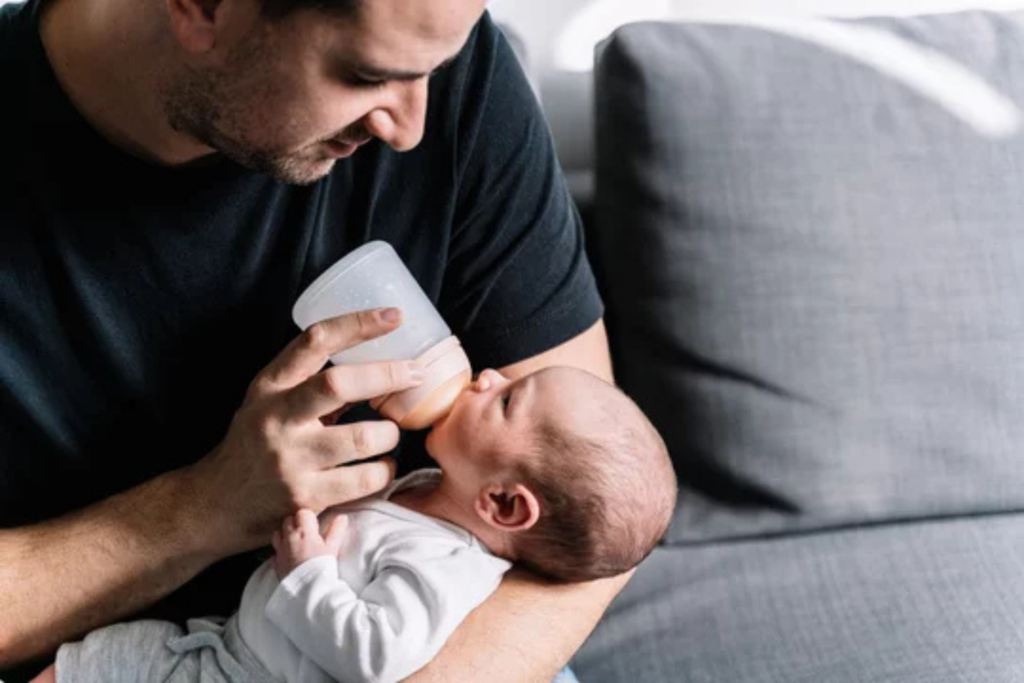
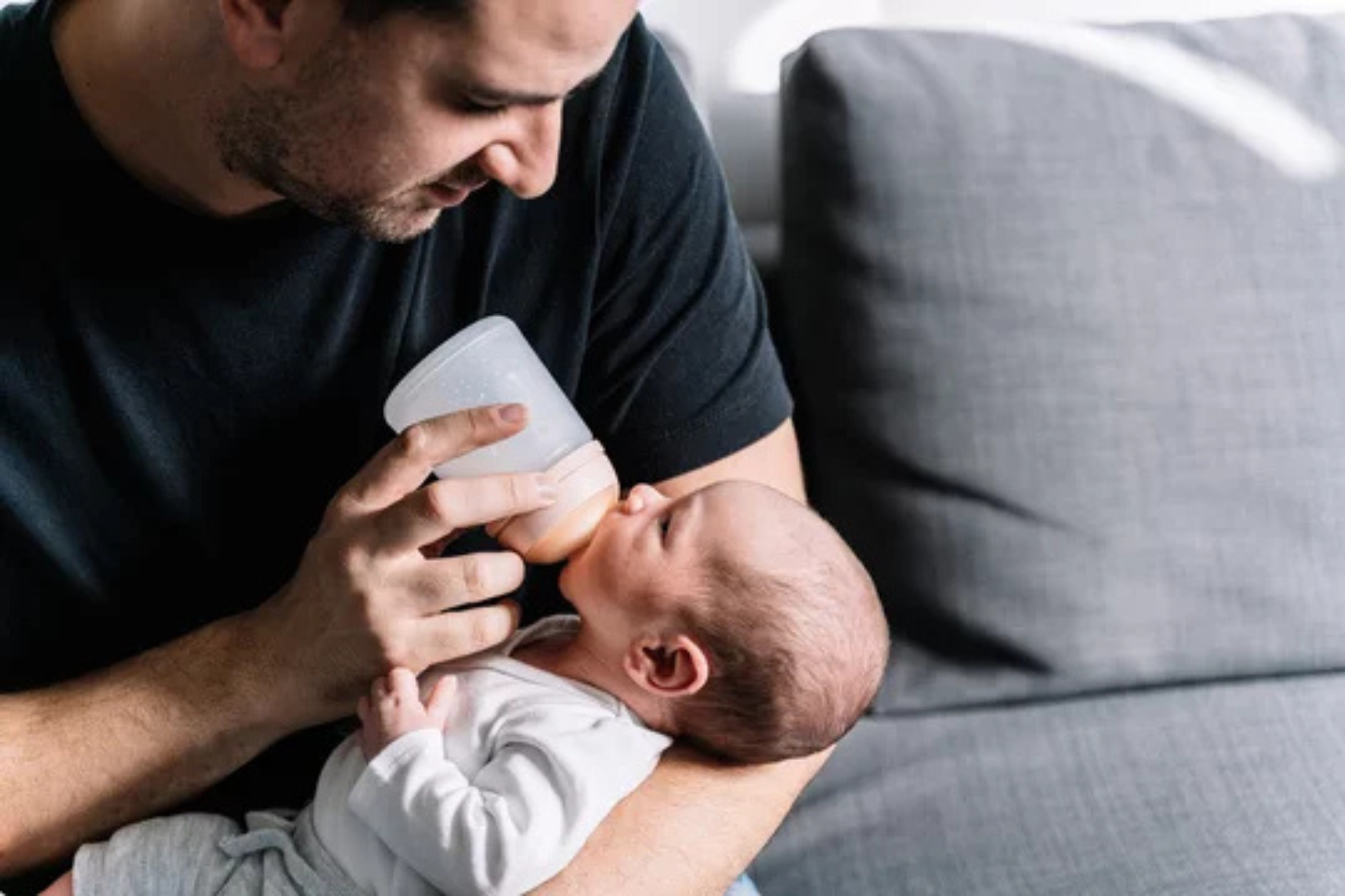
Mothers often begin bonding during pregnancy, birth, and feeding.
Fathers often build attachment through involvement.
Bath time.
Diapers.
Night shifts.
Play.
For many fathers, connection strengthens through repeated caregiving and shared routines. Consistent interaction builds familiarity, and familiarity deepens attachment.
Connection grows through participation.
Simple Steps to Strengthen the Father–Baby Bond
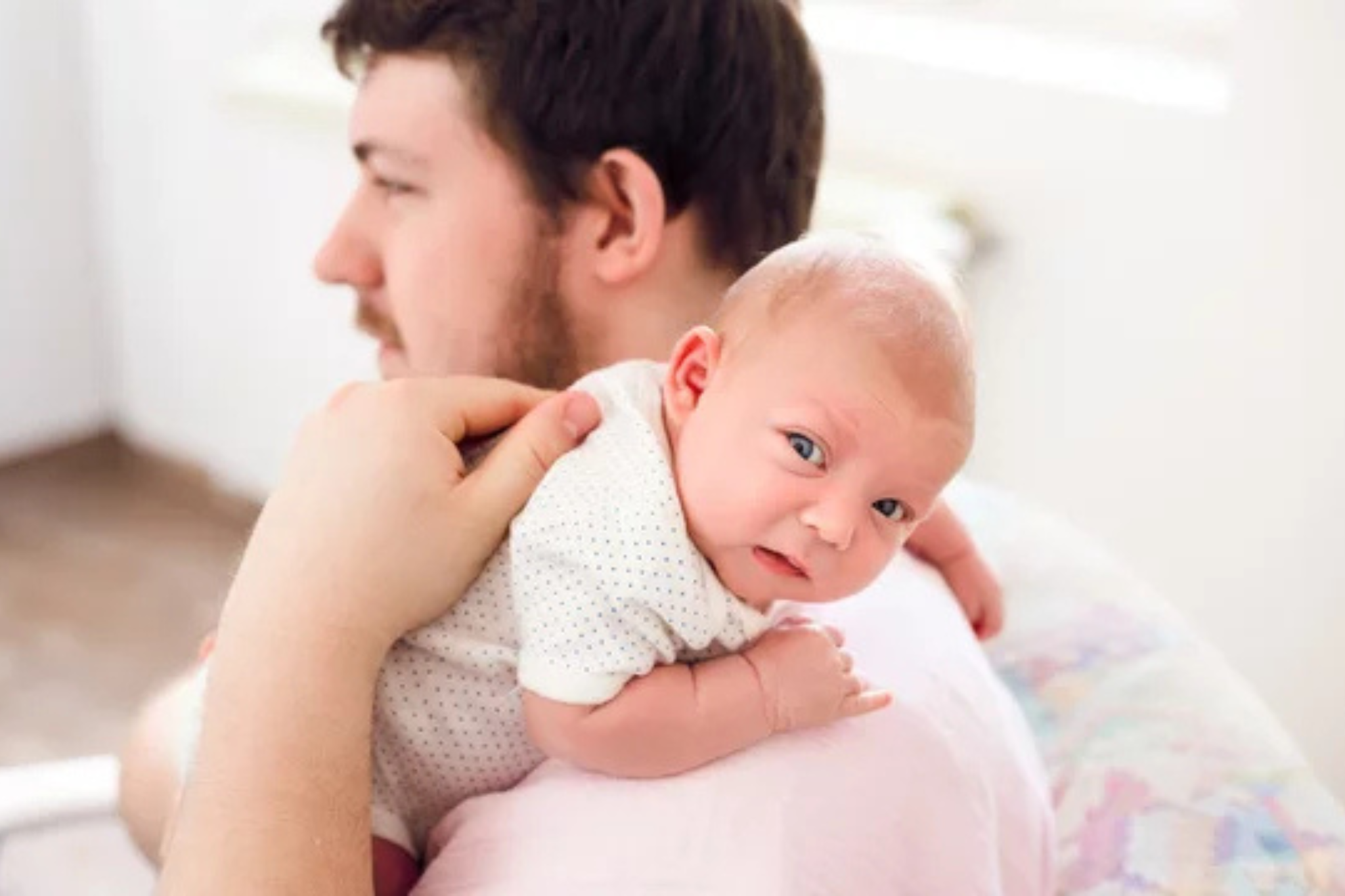
If you want practical ways to bond with your baby as a dad:
Choose one daily interaction and lead it consistently. A short morning check in or a steady evening wind down routine builds familiarity.
Practice soothing during one predictable fussy window. Learn what settles your baby.
Pay attention to patterns. Notice sleep cues, hunger signals, or mood changes and speak up about what you observe.
Create one uninterrupted one on one activity each day. A stroller walk, tummy time, or quiet holding strengthens recognition and trust.
Take full ownership of one stretch of the day to protect your partner’s recovery time.
Consistency strengthens attachment. Repetition builds identity.
The Wrap Up
Becoming a dad is not about flipping a switch. It is about growing into the role through repetition.
Your hormones shift. Your brain adapts. Your emotional range expands.
Some days you will feel steady. Some days unsure.
Growth often feels uncomfortable while it is happening.
You do not need to be perfect. You need to show up.
Every time you do, your brain and your bond get stronger.
FAQ: The Psychology of Becoming a Dad
❓ Do men’s hormones really change when they become fathers? Yes. Research shows that testosterone levels often decrease after men become fathers, especially in dads who are actively involved in caregiving. Lower testosterone is associated with increased nurturing behavior. Oxytocin, the bonding hormone, also increases with touch and interaction.
❓ Why don’t some dads feel an instant bond with their baby? Bonding for many fathers develops through repeated interaction rather than a single emotional moment. Hands-on care like feeding, rocking, and daily routines strengthens attachment over time. A gradual bond is completely normal.
❓ Can new dads experience anxiety after a baby is born? Yes. New father anxiety is common. Sleep deprivation, financial pressure, identity changes, and responsibility shifts can all contribute. Feeling overwhelmed does not mean you are failing. It means you are adjusting.
❓ Does skin-to-skin contact really help dads bond? Yes. Skin-to-skin contact increases oxytocin in both fathers and babies. This supports emotional connection, stress regulation, and bonding.
❓ How long does it take to feel confident as a dad? Confidence builds through repetition. Most fathers report feeling more secure as they gain hands-on experience and establish predictable routines with their baby.