

Milk Allergy vs Lactose Sensitivity in Babies
Affiliate Disclosure: This article contains affiliate links. If you make a purchase through one of these links, Baby Genie may earn a commission. As an Amazon Associate I earn from qualifying purchases.
Quick Answer: allergy and lactose intolerance are not the same thing. A milk allergy is an immune reaction to the protein in cow’s milk and can cause symptoms like blood in the stool, vomiting, poor weight gain, hives, or feeding distress. Lactose intolerance is a digestion issue with milk sugar and is more associated with gas, bloating, and stomach discomfort. True congenital lactose intolerance is extremely rare in babies. Temporary lactose intolerance can sometimes happen after an intestinal illness. The formula your baby needs depends on which issue is actually present, which is why a pediatrician should guide any formula change before you switch.
How to Tell the Difference
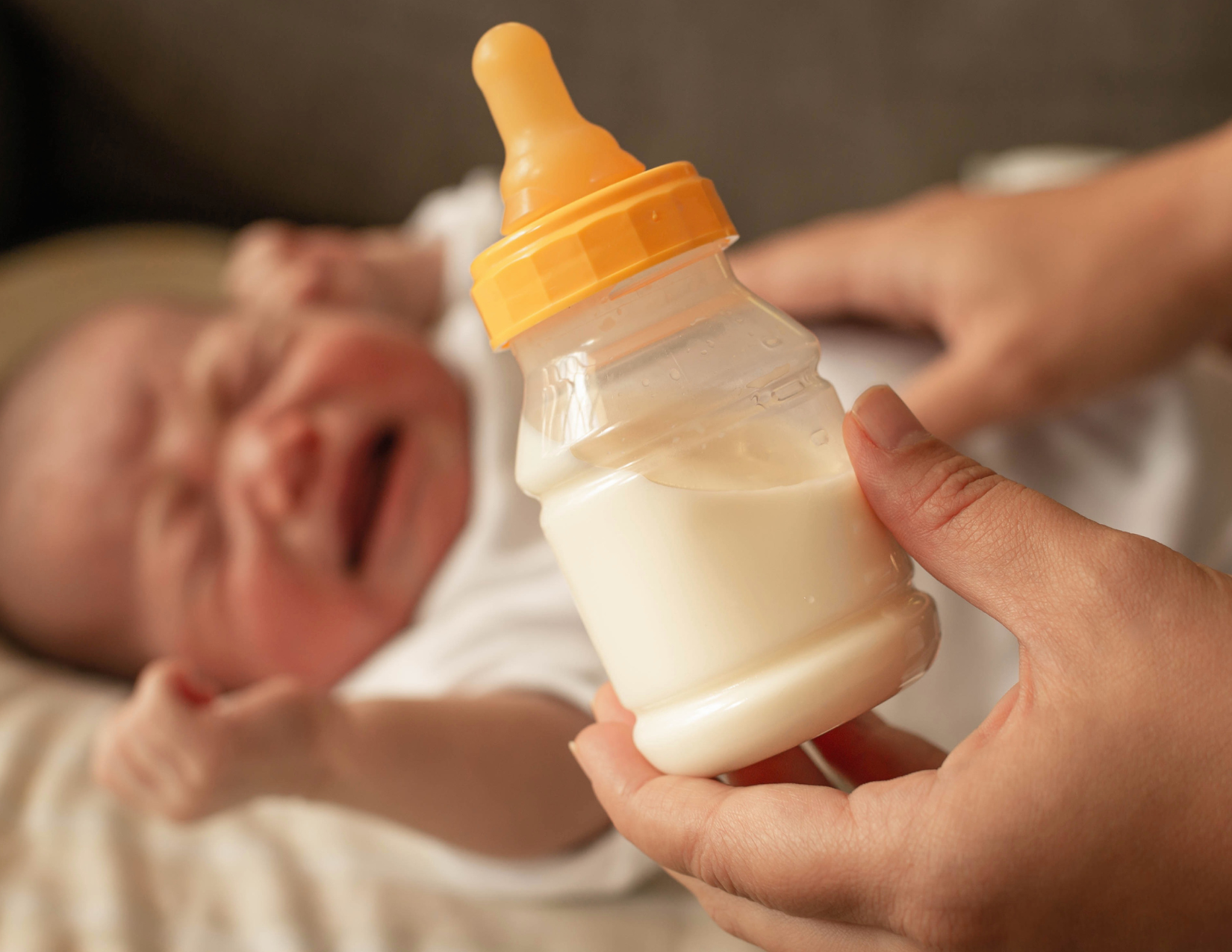
Hearing your baby cry after a bottle can have you running through worst-case scenarios all day. Your mind jumps straight to milk allergy, formula intolerance, lactose sensitivity, reflux, colic, some complicated medical issue that feels impossible to sort out.
A fussy feeding does not automatically mean something serious is happening. Babies cry for many reasons, and feeding discomfort can come from gas, swallowed air, bottle flow, normal digestion, reflux, overtiredness, or a formula that doesn’t fit your baby well.
The goal is to slow the worry loop down and look at the clues.
A food allergy involves the immune system. A food intolerance does not. Lactose intolerance is a good example: the body simply has difficulty digesting the natural sugar in milk, which can cause stomach pain, gas, or diarrhea. So, when parents ask, “Is this a milk allergy or lactose intolerance?” the first thing to know is that these are two different problems with two different solutions.
What Is a Cow’s Milk Protein Allergy in Babies?
A cow’s milk protein allergy happens when a baby’s immune system reacts to the protein in cow’s milk. The AAP notes that up to 3% of newborns and infants have it.
Keep that number in mind, because panic-scrolling can make milk allergy feel like the answer to every fussy feeding. It can happen and deserves attention when the signs fit it’s still only one possible reason a baby may seem uncomfortable after eating.
Milk protein allergy can look different from baby to baby. Some have digestive symptoms. Some have skin reactions. Some seem very uncomfortable with every feed.
Signs worth discussing with your pediatrician include blood or mucus in the stool, repeated vomiting, poor weight gain, feeding refusal, significant diarrhea, hives, swelling, wheezing, worsening eczema, or intense distress that repeats after feeds.
What Is Lactose Sensitivity in Babies?
Lactose is the natural sugar found in milk. Lactose sensitivity means the body has trouble digesting it, which can cause gas, bloating, stomach pain, or diarrhea.
Here’s what’s surprising: true lactose intolerance is uncommon in babies. If your baby is gassy or fussy, lactose may be on your worry list, but it shouldn’t be the automatic conclusion. Always check with your pediatrician before switching to a lactose-free formula, because something else may be causing the symptoms.
Milk Allergy vs Lactose Sensitivity: What’s the Difference?

What your baby is reacting to changes everything. A milk allergy is an immune response to the protein. Lactose sensitivity is a digestion issue with the sugar. Same cow. Very different problems. Very different solutions.
A baby with cow’s milk protein allergy may need a formula where the protein is extensively broken down. The AAP notes that many formula-fed infants with this allergy can tolerate a hypoallergenic hydrolyzed casein-based formula.
A baby with a lactose digestion issue may need a lactose-free formula, if the pediatrician believes lactose is truly the problem.
This is why guessing in the formula aisle gets frustrating fast. A lactose-free formula can still contain cow’s milk protein. A hypoallergenic formula focuses on the protein. These labels are solving different problems.
Can Gas Mean a Baby Has a Milk Allergy?
Gas by itself is common in babies. Newborn digestion is noisy, intense and sometimes more exaggerated. Babies grunt, squirm, pass gas, spit up, and look uncomfortable while their digestive system matures. If your baby seems uncomfortable from gas, you can also ask your pediatrician whether infant simethicone gas drops are worth trying. Some parents find them helpful.
Gas becomes something to worry about when it travels with other repeated symptoms, especially blood or mucus in the stool, poor weight gain, repeated vomiting, significant diarrhea, persistent feeding refusal, or skin symptoms like hives or worsening eczema.
A simple symptom notebook can help you. A tired brain can turn one awful evening into a pattern that may or may not really be there. Writing things down gives you some perspective and your pediatrician a clearer picture.
Can Lactose-Free Formula Help a Milk Allergy?
Lactose-free formula is designed for babies who need less lactose or none at all. It doesn’t automatically solve a cow’s milk protein allergy because the protein can still be present.
If your baby’s symptoms point toward a cow’s milk protein allergy, your pediatrician may recommend a hypoallergenic formula instead. Always discuss your options before making any formula change.
What Formula Is Used for Cow’s Milk Protein Allergy?
For suspected or confirmed cow’s milk protein allergy, pediatricians often guide families toward formulas with pre-broken-down protein. If a baby reacts to those as well, a formula made from the smallest possible protein building blocks may be the next step.
This doesn’t mean every fussy baby needs a specialty formula. These options are helpful when the symptoms and the full medical picture point in that direction. Your job is to observe. Your pediatrician’s job is to help interpret the pattern and choose the safest plan.
What Formula Is Used for Lactose Sensitivity?
f your pediatrician believes lactose is the issue, they may recommend a lactose-free infant formula.
For babies under 12 months, breast milk or infant formula should remain their main source of milk. Regular cow’s milk and plant-based drinks are not appropriate substitutes for breast milk or infant formula during infancy. Switching outside of breast milk or formula without your pediatrician’s guidance can create new problems on top of the ones you’re already managing.
How to Track Baby Feeding Symptoms
Start simple. You don’t need a spreadsheet.
For three to five days, write down what your baby drank, how much they took, when symptoms happened, what the stool looked like, and whether there was spit-up, vomiting, rash, eczema flares, congestion, blood, mucus, or feeding refusal.
Also write down normal things: good feeds, some stretches, wet diapers, sleep. This helps your brain see the full picture instead of only collecting the scary moments.
Bring those notes to your pediatrician. Specific details are far more useful than “my baby hates formula,” especially when you’re exhausted and trying to remember a week’s worth of feeds.
Steps to Manage Feeding Concerns

Step one: Resist switching formula right away. One rough feeding, one gassy night, or one strange poop doesn’t always mean the formula is wrong.
Step two: Document the symptoms. Write down feeding times, ounces, stool changes, spit-up, rash, crying patterns, and anything that looks unusual.
Step three: Call your pediatrician if symptoms are persistent, worsening, or concerning, especially blood in the stool, repeated vomiting, poor weight gain, feeding refusal, significant diarrhea, hives, swelling, wheezing, or trouble breathing.
Step four: Follow one clear formula plan. If your pediatrician recommends a specific formula, follow their instructions closely and ask how long to trial it before deciding whether it helped.
Step five: Avoid switching cans repeatedly without guidance. Formula hopping makes symptoms harder to track and delays finding the real answer.
When to Call the Pediatrician Right Away
Call if your baby has blood in the stool, repeated vomiting, poor feeding, poor weight gain, severe diarrhea, signs of dehydration, worsening rash, or persistent distress with feeds.
Seek urgent medical help if your baby has trouble breathing, swelling of the lips or face, repeated forceful vomiting, extreme sleepiness, or appears seriously ill.
Calling is not being dramatic. It’s giving your baby’s care team the chance to sort out what’s normal, what needs a plan, and what needs quick attention.
The Wrap-Up
A milk allergy is an immune reaction to milk protein, while lactose sensitivity happens when the body has trouble digesting milk sugar. Knowing the difference really matters because the formula choices and next steps can be very different.
And if your baby has been extra gassy, fussy, or uncomfortable after feeds, try not to let your mind race too far ahead. Most feeding discomfort is not an emergency, and a gassy baby does not automatically mean an allergy is involved.
Pay attention to what you’re seeing, jot down any patterns you notice, and bring those details to your pediatrician. You do not have to figure it all out on your own. Sometimes having a few clear notes about what happens before, during, and after feeds can make that conversation much easier.
Before switching formulas, check in with your pediatrician so you can make the change with a little more confidence and a lot less guessing.
FAQ: Milk Allergy vs. Lactose Intolerance in Babies
❓ How do I know if my baby has a milk allergy or lactose intolerance?
A milk allergy happens when the immune system reacts to proteins in cow’s milk. Symptoms can include blood or mucus in the stool, vomiting, poor weight gain, rash, hives, wheezing, or significant feeding discomfort. Lactose intolerance happens when the body has trouble digesting lactose, the sugar in milk, and is more likely to cause gas, bloating, stomach discomfort, and diarrhea. Because some symptoms overlap, your pediatrician can help figure out what may be causing them.
❓ What does baby poop look like with a milk allergy?
There is no single type of poop that confirms a milk allergy. Some babies with cow’s milk protein allergy may have blood or mucus in their stool, diarrhea, or changes in how often they poop. Those changes can happen for other reasons too, so a diaper alone cannot diagnose an allergy. If you notice something unusual, taking a photo to show your pediatrician can be helpful.
❓ Does blood in baby poop mean a milk allergy?
Cow’s milk protein allergy can cause blood in a baby’s stool, but there are other possible causes too. Your pediatrician will need to look at your baby’s symptoms, feeding history, and overall health before deciding what may be going on. Blood in the stool is something worth calling your pediatrician about rather than trying to diagnose at home.
❓ Can a baby be lactose intolerant from birth?
True lactose intolerance from birth is extremely rare. Babies are naturally designed to digest lactose because it is also the main sugar found in breast milk. Temporary lactose intolerance can sometimes happen after an intestinal illness. If your baby is gassy or uncomfortable, check with your pediatrician before switching to a lactose-free formula.
❓ Can a breastfed baby have a cow’s milk protein allergy?
Yes, although it is less common. Small amounts of cow’s milk protein from a breastfeeding parent’s diet can pass into breast milk and trigger symptoms in some sensitive babies. If your pediatrician suspects a cow’s milk protein allergy, they may discuss whether a temporary dairy elimination is appropriate. Avoid removing major food groups from your diet without guidance.
❓ What formula is best for milk allergy in babies?
For babies with confirmed cow’s milk protein allergy, pediatricians commonly recommend an extensively hydrolyzed formula. Some babies with more severe symptoms or who do not improve on an extensively hydrolyzed formula may need an amino acid-based formula. Partially hydrolyzed formulas are not considered appropriate for treating cow’s milk protein allergy. Your pediatrician can help choose the right formula based on your baby’s symptoms.
❓ Will lactose-free formula help a cow’s milk protein allergy?
Usually, no. Lactose-free formula removes or reduces the milk sugar lactose, while cow’s milk protein allergy involves a reaction to milk protein. A lactose-free cow’s milk-based formula can still contain the proteins that trigger an allergic reaction. If your baby has a confirmed milk protein allergy, your pediatrician can recommend a formula designed for that condition.
❓ How is cow’s milk protein allergy diagnosed in babies?
Your pediatrician will look at your baby’s symptoms, feeding history, growth, and when the symptoms appear. Some immediate allergic reactions may be evaluated with allergy testing, while delayed reactions often cannot be confirmed with a simple test. In those cases, your pediatrician may recommend a carefully supervised period without cow’s milk protein followed by reintroduction to see whether symptoms improve and return.