

Ways to Help Your Baby Release Gas After Feeding
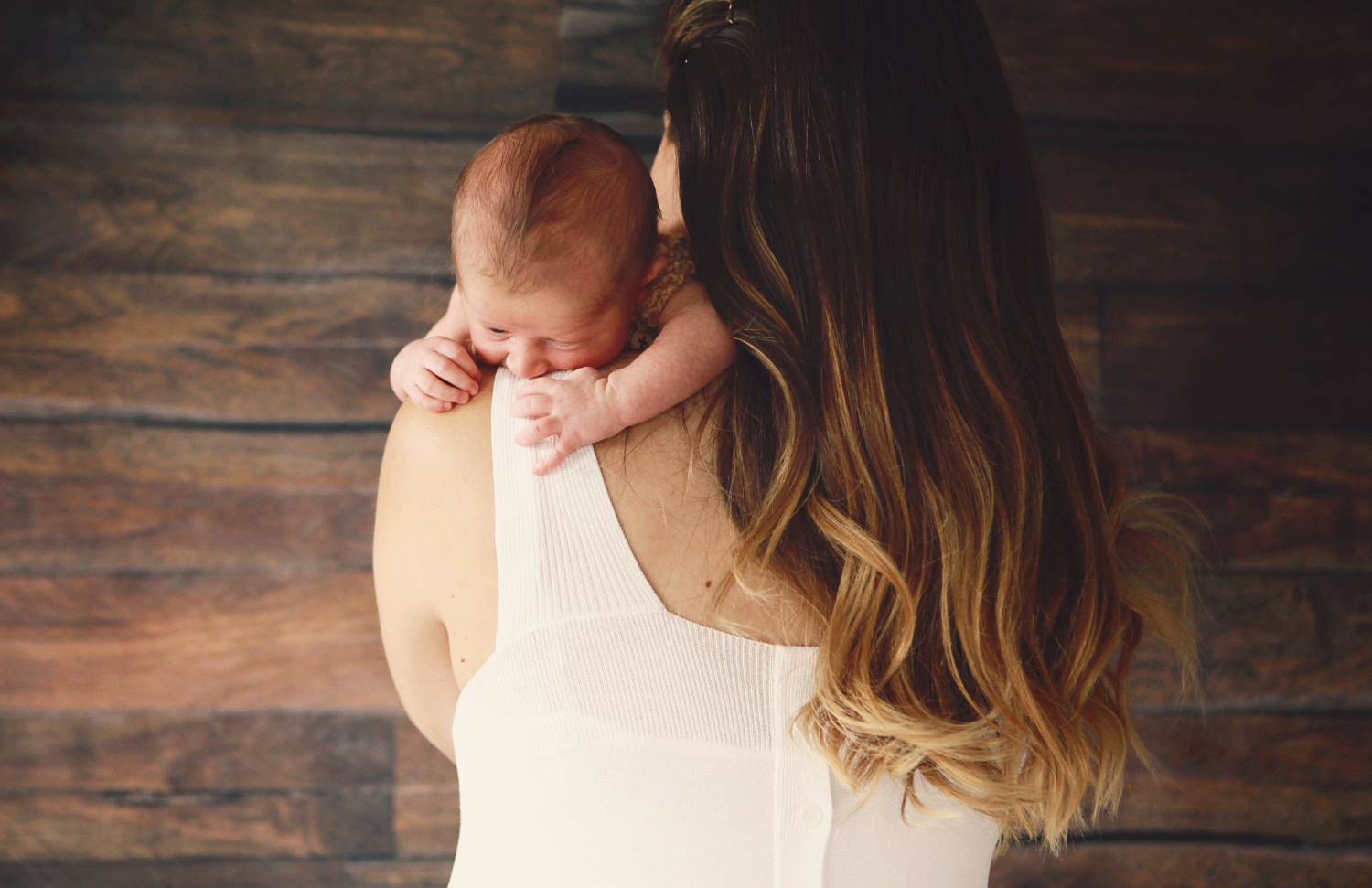
Burping helps release swallowed air from your baby’s stomach during or after a feeding. Some babies need frequent burping to stay comfortable; others release air on their own without much help. Pediatricians generally recommend trying to burp your baby during and after feeds, especially if they seem fussy, gassy, or spit up often. Most babies outgrow the need by 4 to 6 months.
Am I burping my baby wrong?
Few things make new parents second-guess themselves faster than a baby who stiffens, squirms, or cries five seconds after a feeding. You fed them, changed them, rocked them and now you’re patting their back like you’re trying to unlock a combination.
Burping sounds simple until you’re holding a slippery, milk-drunk baby at 2 a.m. wondering why nothing is happening. There’s no perfect technique. Some babies swallow a lot of air and need extra help; others barely burp at all. Both are normal.
Why do babies need to burp?
When babies feed, they swallow small amounts of air along with milk partly because their feeding coordination is still developing, and partly because a very hungry baby tends to gulp. Those air bubbles can get trapped in the stomach and build up pressure, leading to fussiness, back arching, frequent spit-ups, or feeling full before the feed is actually done.
Getting that air out helps your baby settle. It’s especially useful for babies who spit up often or seem uncomfortable after most feeds.
Three burping positions worth trying
Every baby has a preference. Work through these until you find what clicks.
- Over the shoulder Hold your baby upright against your chest with their chin resting on your shoulder. Support their bottom with one hand and pat or rub their back with the other. Gravity does a lot of the work in this position.
- Sitting up on your lap, sit your baby upright on your lap, leaning them slightly forward. Support their chest and chin with one hand without putting pressure on the throat and pat their back with the other. Keeping the spine fairly straight tends to help trapped air move up more easily.
- Across your lap lay your baby tummy-down across your legs with their head slightly higher than their chest. Pat or rub their back gently. The light pressure on their belly can help move gas upward.
 When to call the pediatrician

Gas and burping are normal, but some signs point to something else reflux, a milk sensitivity, or another issue worth looking into. Call your doctor if you notice forceful or projectile vomiting, green or bloody spit-up, poor weight gain, inconsolable crying during feeds, or any trouble breathing while eating.
The Wrap Up
Burping doesn’t need to be a production. Some babies burp loudly within seconds; others stay quiet and seem perfectly comfortable. Both are normal. Pay attention to your baby’s cues after feeds that tell you more than any fixed rule about timing or technique.
FAQ: What parents are asking about burping
❓ How long should I try before giving up? A minute or two of gentle patting is usually enough. If your baby seems comfortable and nothing comes up, move on.
❓ Is it okay if my baby falls asleep before they burp? Yes. A baby sleeping peacefully likely doesn’t have a painful air bubble. Lay them down on their back and let them rest.
❓ Why does my baby spit up when they burp? Burping increases stomach pressure slightly, which can push a little milk up along with the air. Very common and usually harmless.
❓ Do breastfed babies need to be burped as often? Often less so, because breastfed babies can control the flow more easily and tend to swallow less air. That said, follow your baby’s cues some breastfed babies still need regular burping.
❓ When do babies stop needing to be burped? Around 4 to 6 months, when their digestive system is more developed and they’re spending more time upright.
❓ My baby cries while I’m burping them. What should I do? Try a different position or switch from patting to a gentle circular rub. Some babies dislike the position change; others find the trapped gas itself painful until it moves.
❓ Can I over-burp my baby? Patting too long or too hard can irritate them or cause more spit-up. A few minutes of gentle attempts is plenty.
❓ Should I burp after every ounce? Depends on your baby. If they’re gassy or fussy, break mid-feed help. If they’re feeding happily, waiting until the end of the bottle or a natural pause works fine.