

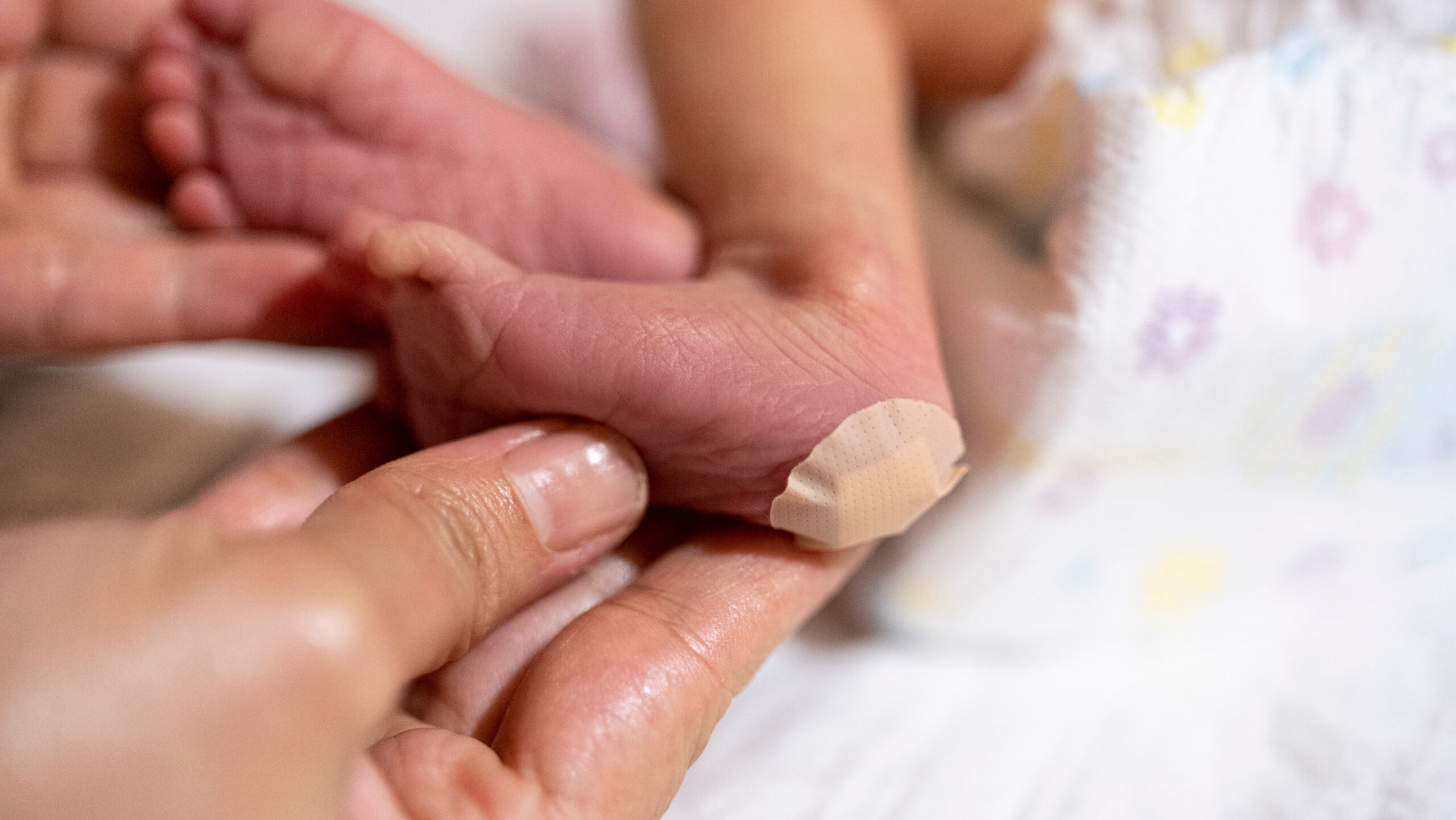
Why Is My Baby Getting a Heel Prick?
It’s totally normal to flinch a little when you see your baby’s tiny foot being poked. You’ve just met them, and now someone’s drawing blood? Take a deep breath. This quick heel-prick test is one of the simplest, most important ways to protect your baby’s future health.The nurse will collect just a few drops of blood from your baby’s heel—fast, gentle, and over in seconds. Those few drops can reveal rare conditions that may not show any symptoms yet but could cause serious problems later if untreated.
What Is the Newborn Metabolic Screening?
Within 24–48 hours after birth, every baby gets a state-mandated newborn metabolic screening. The heel-prick sample is tested for more than 30 different conditions—most genetic, metabolic, or hormone-related.
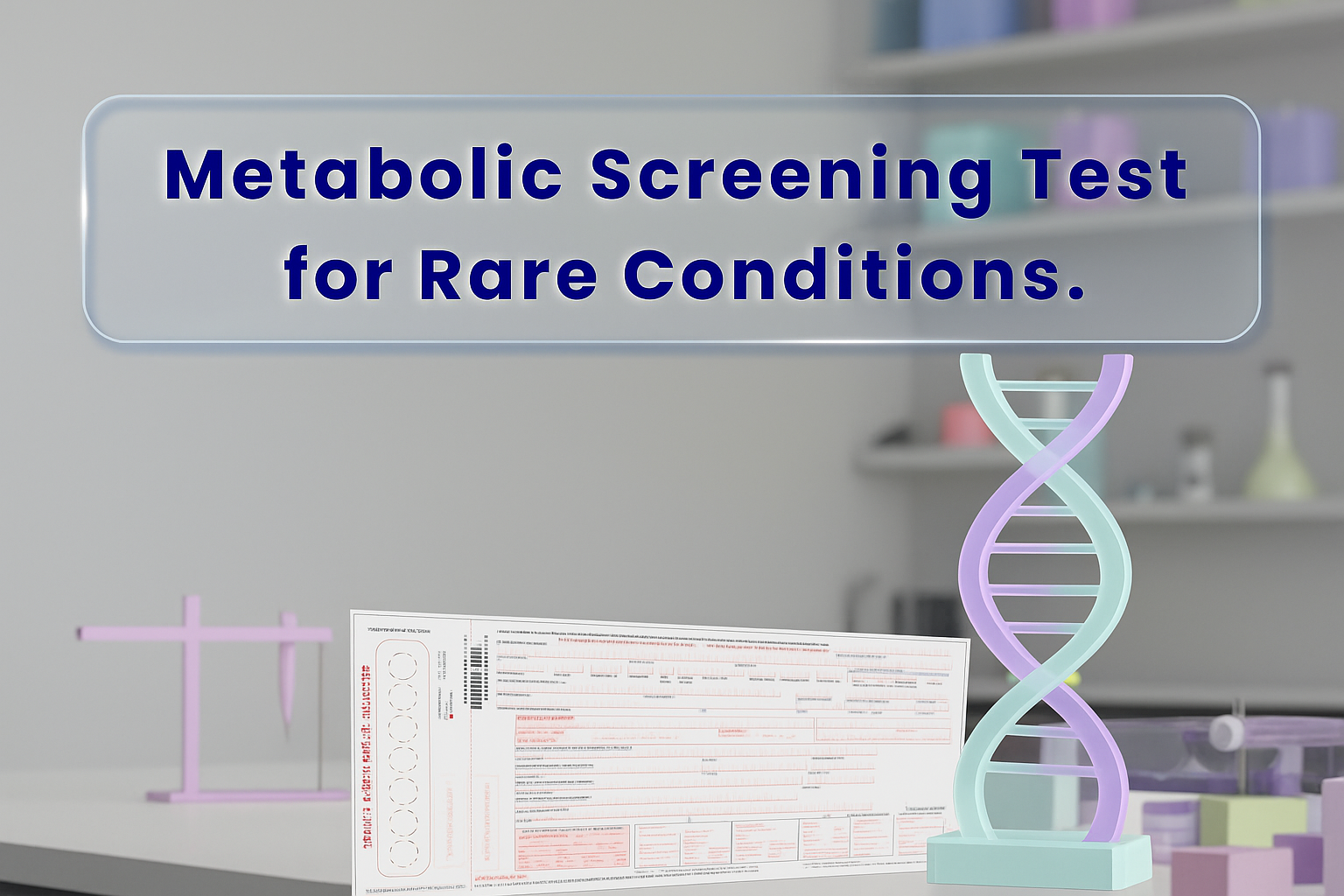
What Conditions Does It Screen For?
Each state screens for a slightly different list, but all include the core 31 conditions recommended by the ACHDNC. Cystic Fibrosis: Affects the lungs and digestive system.
Cystic Fibrosis: Affects the lungs and digestive system.
 Spinal Muscular Atrophy (SMA): Causes muscle weakness.
 Sickle Cell Disease: A blood disorder affecting red blood cells.
 Congenital Hypothyroidism: Impacts growth and brain development.
When and How You’ll Get the Results
Your baby’s results are usually reviewed at the two-week check-up. Keep a copy of your baby’s results in your records.
Why This Test Matters So Much
- Many of these conditions are treatable if found early.
- The screening ensures your baby gets the best possible start.
Other Routine Hospital Screenings
Pulse Oximetry Test: Measures oxygen levels to screen for rare heart defects.
Bilirubin Test: Checks for newborn jaundice.
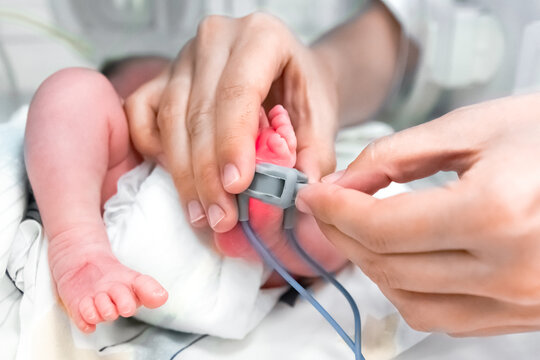
These round out your baby’s early health safety net.
Frequently Asked Questions
❓Does the heel prick hurt my baby?
Just a pinch—it’s over in seconds.
❓What if results are abnormal?
Most don’t mean illness; they just need a follow-up test to confirm.